The best cardio machine is the one that matches your training goal, current joint tolerance, skill, and willingness to use it consistently. A stair climber usually creates a strong local leg demand, an elliptical spreads work across a supported full-body pattern, and a stationary bike offers seated, highly adjustable conditioning.
KEY TAKEAWAY: Do not choose by the calorie number on the console. Match the machine to the specific outcome you want, set intensity using breathing or perceived effort, and test how your body responds across several sessions.
Three Machines, Three Different Constraints
All three machines can raise heart rate and support aerobic fitness. Their differences are mainly posture, impact, balance demand, muscle fatigue, adjustability, and comfort. Those constraints determine how long and how hard someone can work. A machine that feels “harder” in the thighs may limit the session before the heart and lungs receive the intended aerobic dose. Another machine may feel easy locally while still producing a useful cardiovascular effort.
The CDC’s guidance for measuring physical activity intensity recommends relative tools such as a 0-to-10 effort scale and the talk test. That is more transferable than trusting calorie estimates, which depend on inputs and algorithms that may not reflect an individual accurately.
Quick Comparison Before You Step On
| Factor | Stair Climber | Elliptical | Stationary Bike |
|---|---|---|---|
| Typical posture | Upright stepping | Upright gliding, often with handles | Seated, upright or recumbent |
| Local demand | Often high in glutes, thighs, and calves | Distributed across legs and sometimes arms | Concentrated in hips and legs |
| Balance need | Moderate to high | Low to moderate | Low, especially recumbent |
| Easy adjustments | Step rate and duration | Resistance, incline, stride rate | Resistance, cadence, seat position |
| Common fit | Shorter hard efforts, climbing preparation | Longer low-impact sessions | Controlled intervals, beginner conditioning, lower balance demand |
These are general tendencies, not promises about calories, fat loss, or joint safety. Machine design and personal technique can change the experience substantially.
When the Stair Climber Makes Sense
The stair climber is useful for people who want to practice repeated stepping, build tolerance for hills or stairs, or create a demanding session in limited time. It can become leg-limited quickly, especially if the user leans heavily on the rails or selects a speed that shortens each step. Holding the rails lightly for balance is different from transferring much of the body weight into the arms.
Start with a speed that allows an upright posture and quiet, controlled foot placement. If the calves or knees become the limiting factor before breathing reaches the desired level, reduce the speed or alternate short climbing intervals with easier recovery. People preparing for hiking may value the specific stepping pattern, but outdoor terrain also requires balance and descent tolerance that the machine does not provide.
When the Elliptical Fits Better
An elliptical can support longer aerobic sessions because the feet remain on the pedals and impact is generally low. Moving handles may distribute effort to the upper body, although the legs still do substantial work. Stride geometry differs across machines, so one model can feel natural while another feels awkward. Comfort should be tested rather than assumed from the category name.
The elliptical is often practical when running impact is not desired, but “low impact” does not mean symptom-free for every hip, knee, or back. Adjust resistance, incline, and stride rate separately. Increasing all three at once makes it difficult to identify what caused fatigue or discomfort.
When the Bike Is the Strongest Choice
Stationary bikes provide a stable seated option and make interval intensity easy to adjust. Upright bikes resemble a traditional cycling posture, while recumbent bikes add back support and reduce balance demands. Seat height matters: a seat that is far too low can create excessive knee bend, while one that is too high may cause reaching or hip rocking. A comfortable setup allows smooth pedaling without forcing the joints into an awkward range.
The bike works well for controlled intervals, steady endurance, warm-ups, and days when standing machines are not appealing. It may be less specific for someone training to climb stairs or tolerate weight-bearing activity, so it can be combined with walking and strength work. Readers focused on body-weight change should also review a more sustainable weight strategy after 40 rather than treating one machine as the deciding factor.
Match the Tool to the Outcome
Use the goal to choose the starting point:
- For general aerobic health, select the machine that lets you accumulate moderate effort consistently.
- For short, demanding intervals, choose the option on which technique remains controlled as effort rises.
- For stair or hill preparation, favor the stair climber while still training strength and downhill tolerance elsewhere.
- For low balance demand, begin with a bike, especially a recumbent model when appropriate.
- For long indoor sessions with varied upper- and lower-body involvement, test an elliptical.
The CDC’s adult activity overview frames weekly aerobic and strengthening targets, but the minutes can be distributed across multiple activities. There is no requirement to remain loyal to one machine.
Build Sessions Around Intensity, Not Console Claims
For moderate work, breathing should be clearly elevated while conversation remains possible. Vigorous work makes speaking more difficult. On a 0-to-10 personal effort scale, moderate activity is often around 5 or 6 and vigorous work around 7 or 8, according to the CDC. Heart-rate targets can help some users, but medication, temperature, stress, and device accuracy can affect readings.
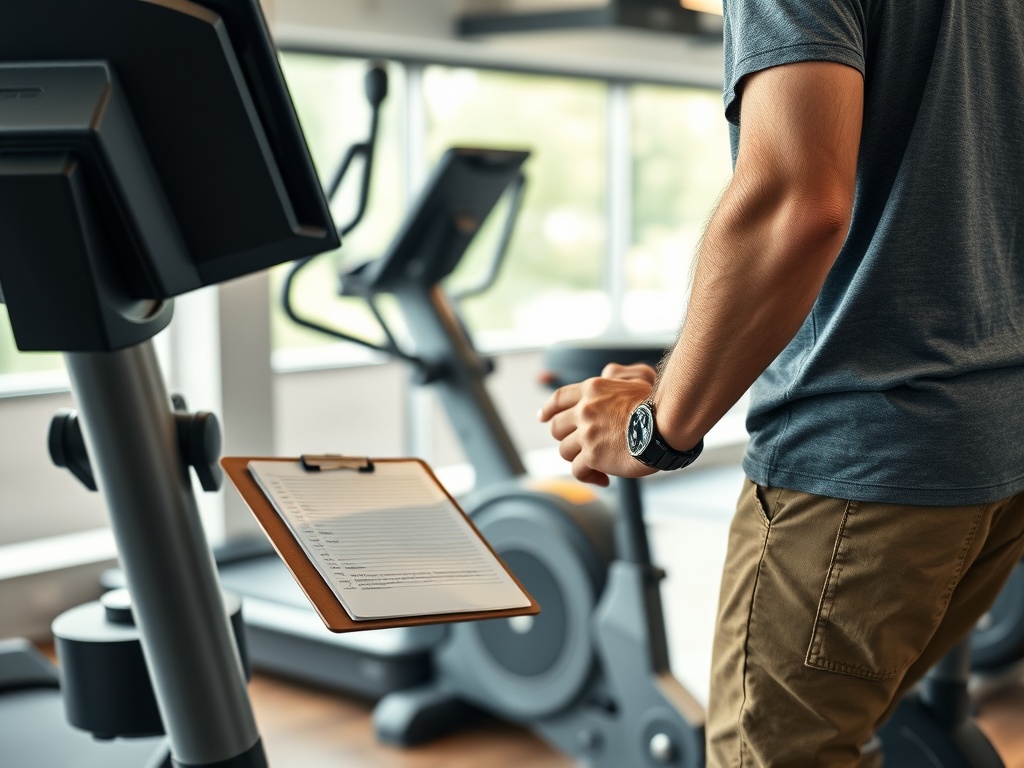
A practical test week could include three 20-minute sessions at similar perceived effort, one on each machine. Record comfort, average effort, which muscles limited the session, and how you felt later that day and the next morning. A single session may be distorted by unfamiliarity, so repeat the top two choices before deciding.
Errors That Distort the Comparison
Do not compare a steep stair-climber interval with an easy bike ride and conclude one machine is universally better. Match time and perceived intensity. Avoid changing posture to keep up with a preset program. Do not assume the highest sweat rate or console calorie number identifies the best fat-loss tool. Finally, do not ignore the strength and mobility needed to support cardio. The prehab routine guide offers a way to address recurring weak links without turning the warm-up into another exhausting workout.
Choose by Goal, Then Test
Pick the machine that best matches your immediate goal, use a sustainable intensity, and run a two-week trial. Keep another machine as an alternative for variety or symptom management. If exercise triggers chest pain, faintness, unusual shortness of breath, or worsening joint symptoms, stop and seek medical advice. A cardio machine is valuable when it helps deliver repeatable training, not when it wins an abstract contest.