Business Travel, Meetings & Bleisure
Corporate travelers increasingly expect hotel stays to support the purpose of the trip without adding friction.
TL;DR: Reliable connectivity, efficient arrival, quiet sleep, flexible food options, practical workspaces and clear expense documentation remain core needs, while bleisure extensions, wellbeing, loyalty and personal time are adding more variation to the traditional business-hotel model.
Business travel is becoming more selective, not less important
Corporate travel demand has recovered unevenly and remains exposed to economic and policy shifts, so it is risky to treat every company or region as moving in the same direction. The GBTA research hub shows continued work on managed hotel programs, travel policy and the role of technology through 2026, while its earlier outlooks documented both resilience and uncertainty in business travel spending.
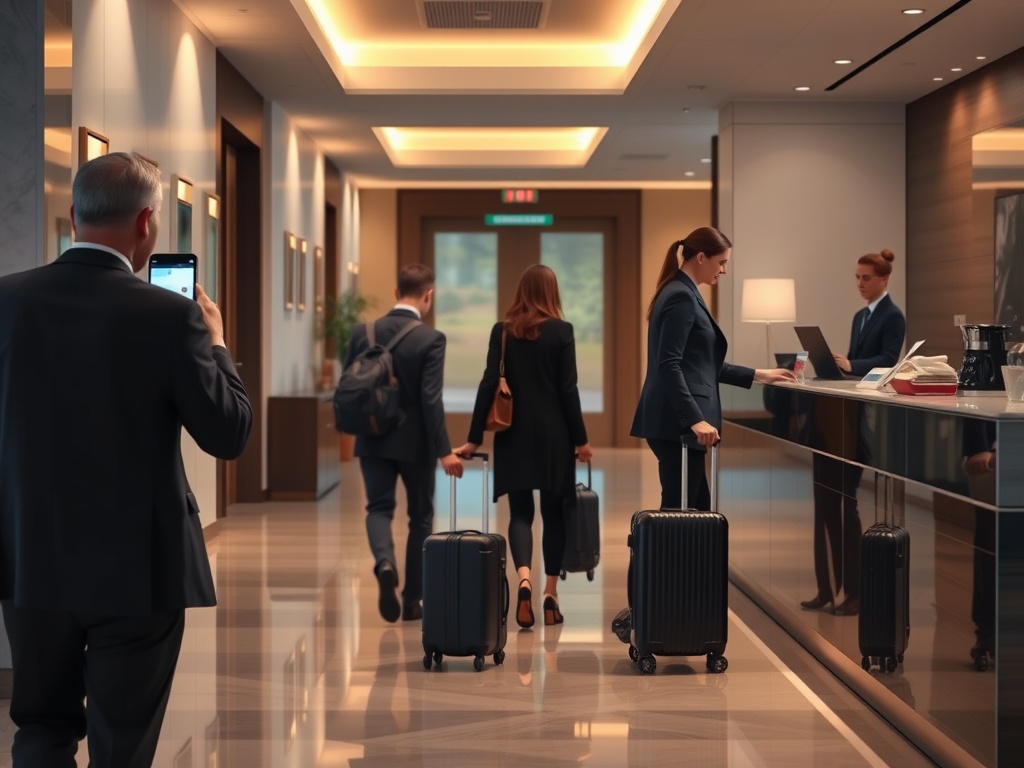
That backdrop changes what a business traveler may expect from a hotel. If a trip needs a clear business reason, the accommodation must help protect the value of that trip. Fast check-in, dependable Wi-Fi, a room that supports sleep and work, accurate invoices, reliable ground-transport information and staff who can solve problems quickly are not glamorous features, but they can determine whether the stay supports the meeting or creates another task.
The line between work trip and personal time is more flexible
Bleisure is not one behavior. It can mean adding a weekend, bringing a partner, staying in a different hotel for the leisure portion, or simply reserving a few hours of personal time around meetings. The traveler may therefore evaluate location and amenities differently from a traditional one-night business trip.
Properties can support this without assuming every corporate guest wants entertainment. Clear local information, flexible luggage storage, late checkout options and room types that work for a partner or family can be useful. The changing pattern also connects with room preferences, because a room may need to function as an office in the afternoon, a private decompression space after an event and a leisure base the next morning.
Quiet, recovery and control have moved up the list
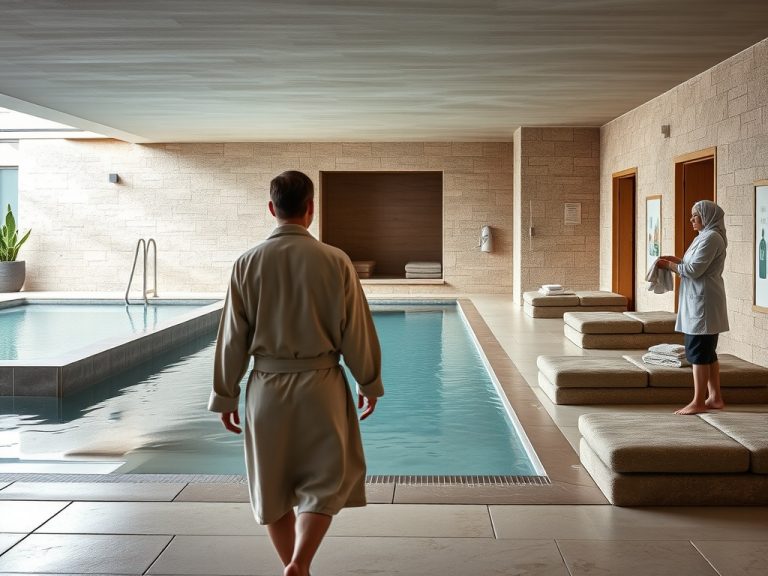
Business travel can compress long workdays, unfamiliar environments and social obligations into a short period. Hilton’s 2026 travel research describes a desire among some business travelers for solo time around work trips. The important distinction is that this is a survey signal, not a universal business-traveler profile.
Hotels can translate that signal into practical choices: quiet floors where feasible, room-service or grab-and-go food after group events, clear gym and wellness hours, blackout curtains, predictable housekeeping options and spaces where a guest can work without joining a crowded lobby. Travelers may also care more about the ability to control temperature, lighting and noise than about decorative room upgrades.
Policy and traveler experience are being managed together
Corporate travel programs increasingly balance cost control with traveler experience. A lower negotiated rate loses value if the preferred hotel is far from the meeting, frequently sells out, has poor invoice handling or creates repeated complaints. At the same time, a premium property has to justify its cost within policy. This makes hotel sourcing a trade-off among rate, availability, location, safety considerations, loyalty and employee usability.
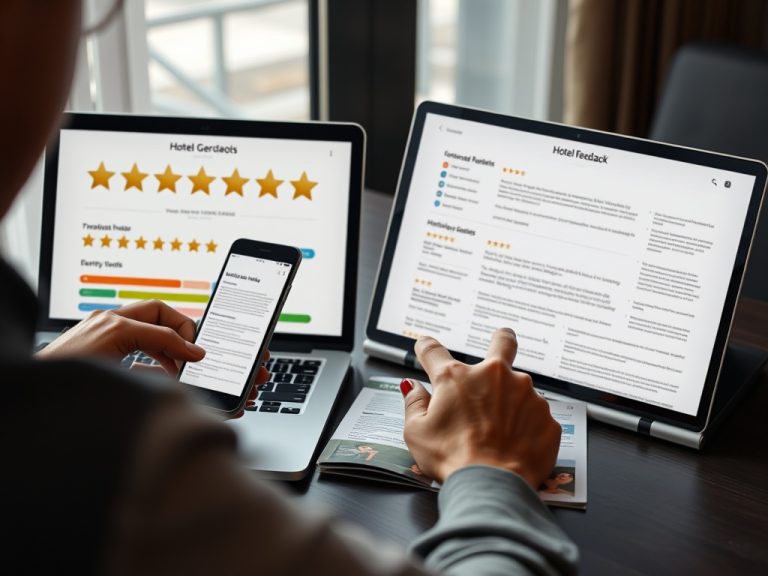
GBTA’s 2025 business travel index outlook noted evolving traveler expectations alongside broader spending forecasts. For hotel teams, that supports a more nuanced corporate proposition: show the features that reduce trip friction, not just the ballroom, restaurant and loyalty points. For travel managers, traveler feedback can complement rate data when deciding which hotels truly work for a program.
Technology is expected to remove admin, not hospitality
Digital check-in, mobile keys, messaging, automated folios and AI-assisted trip tools can reduce repetitive tasks. The risk is shifting work back to the traveler when technology fails. A mobile key that requires a desk visit or a chatbot that cannot resolve a billing issue creates more friction than a straightforward human process.
The best fit is often a layered service model: self-service for routine actions and accessible staff for exceptions. Business travelers may value speed, but they also need certainty when a flight changes, a meeting moves or an expense rule creates a problem. As technology becomes more common, the differentiator may be how well the hotel handles the moments that do not fit the standard flow. The same principle applies earlier in the journey: our look at changing hotel booking habits shows why consistent room and policy information matters across channels before a corporate traveler even arrives.
Food, fitness and meeting space are being judged by usability
Early departures, late arrivals and back-to-back meetings can make conventional hotel service hours less useful. A business traveler may value a reliable breakfast before an early train, a healthy late option, a fitness room with practical hours or a lobby zone where a short call can happen without disturbing other guests. These are small design decisions with outsized impact on a compressed itinerary.
For meetings, the same principle applies. Buyers may look beyond square footage toward acoustics, connectivity, hybrid-meeting support, natural light, breakout flexibility and the ease of moving attendees through food breaks and check-in. Properties that market event space should distinguish measured capabilities from generic claims such as ‘state-of-the-art’ or ‘world-class.’
What corporate hotel programs may prioritize next
In the next 12 to 24 months, watch for greater use of data in hotel sourcing, more attention to traveler wellbeing, AI-supported booking and servicing, and closer scrutiny of trip purpose. Sustainability requirements may also continue to influence program design, but implementation will vary by company and jurisdiction. Hotels should avoid assuming that one sustainability message will satisfy every buyer; specific practices and reporting are more useful.
Travelers can expect policy tools to become more personalized and proactive, while properties may segment offers around meeting trips, project stays and bleisure extensions. The strongest business-travel hotel experience will still be grounded in basics: accurate inventory, a quiet usable room, reliable connectivity, efficient support and an invoice that does not create work after checkout.
Extended stays raise a different set of hotel questions
Project work, training, relocations and longer bleisure trips can turn a hotel into a temporary routine rather than a one-night stop. In that setting, laundry, storage, refrigerator access, workspace ergonomics, breakfast repetition, neighborhood services and the ability to receive deliveries can matter more than event-focused amenities. Corporate buyers and travelers should therefore separate short-trip requirements from extended-stay requirements. Hotels that serve both markets can make the distinction clear by describing practical long-stay features and any rate rules tied to length of stay, instead of assuming a standard business-room proposition will work for every corporate itinerary.
Evaluate a business hotel by the work it removes
For a practical comparison, ask which property reduces transfers, uncertainty, noise, admin and recovery time. A hotel that removes those burdens may create more business value than one with a longer amenity list. That is a useful lens for both individual travelers and managed travel programs.