Family & Group Resort Travel
Parents are comparing resorts less as a generic ‘family-friendly’ category and more as a system for managing real family logistics.
TL;DR: Room layout, sleeping arrangements, food flexibility, pool design, childcare details, shade, accessibility, quiet time, transfer effort and cancellation policies can matter as much as the number of children’s activities. Multigenerational travel is also expanding the definition of whose needs the resort must serve.
Family-friendly is becoming a more specific question
A label such as ‘family resort’ tells a parent very little unless the property explains what that means. Families with a toddler, two teenagers or three generations may need completely different features. The useful information is concrete: crib availability, connecting-room guarantees, maximum occupancy, supervised-program ages, pool depth, meal timing, allergy processes, stroller access and whether common areas stay active late at night.
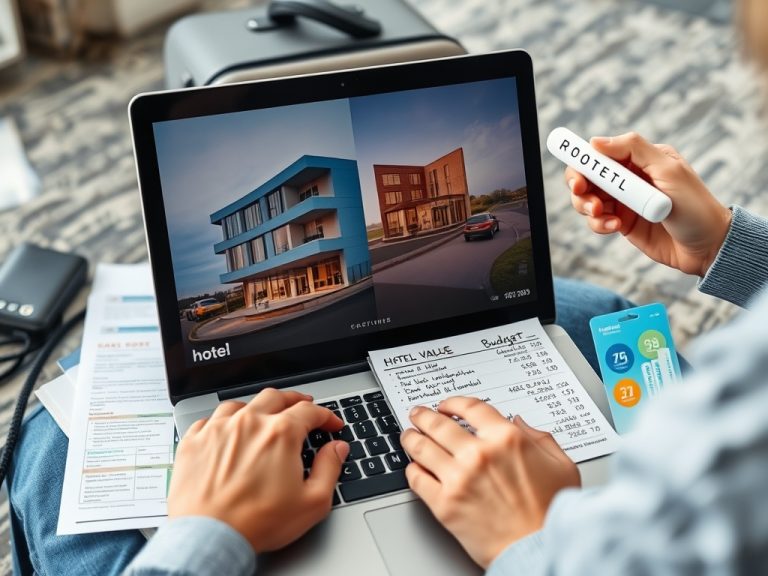
This is a shift from category marketing toward fit. Parents can compare a resort more effectively when they start with the hardest part of the trip – sleep, food, mobility, safety or keeping different age groups engaged – and then test the property against that need. Resorts can help by making family details easy to find instead of placing them behind a broad promise of fun.
Multigenerational trips change the room decision
Hilton’s 2026 trends report highlights strong family influence on travel choices and continued multigenerational patterns in its survey work. That does not mean all families travel together, but it shows why hotel products designed around only two adults and two young children can miss part of the market.
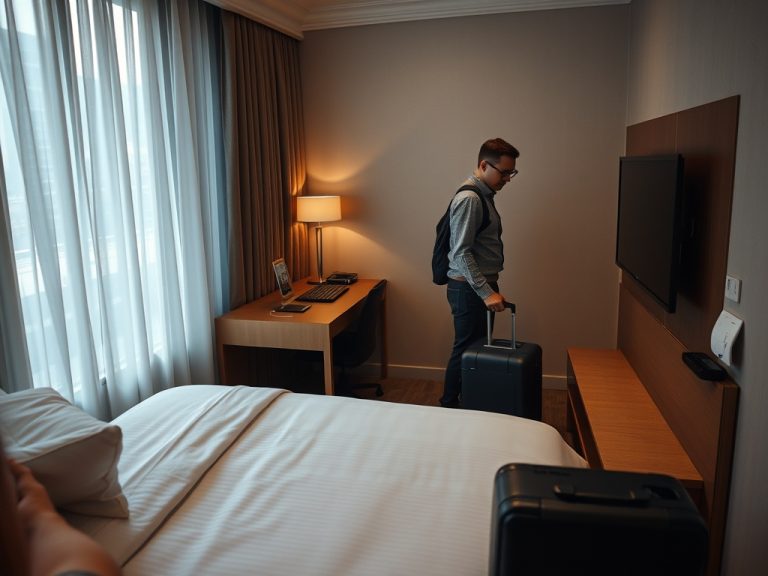
Parents may now be coordinating grandparents, adult children, infants and cousins within one booking. Adjacent rooms, confirmed connecting rooms, villas, suites with privacy between sleeping zones and accessible bathrooms can become more important than a single large room. Our article on changing room preferences covers why layout and room function increasingly matter across traveler types, not just families.
Kids programs are judged on transparency, not just variety
Parents evaluating a kids club may need to know supervision ratios, eligible ages, operating hours, sign-in procedures, indoor versus outdoor settings, language support, activity intensity and whether advance reservations or extra fees apply. A long program list is less useful if the practical conditions are unclear.
The same applies to teen programs and family activities. Some children want structured social time; others prefer to stay with their parents. Resorts can support choice by offering both supervised and family-participation options without implying that one format creates a better family vacation. Parents should verify current schedules close to travel dates because programs can change by season and occupancy.
Food flexibility can make or break the daily rhythm
Families often experience hotel dining through timing and predictability. Early breakfast, flexible portions, familiar backup foods, allergy communication, easy access to water and the ability to eat without a long formal meal can matter more than the number of restaurants. At a resort, the dining system also affects how much planning parents must do each day.
Expedia group’s broader traveler research shows that convenience and trust influence travel decisions, which is relevant to family stays because every extra uncertainty can multiply across a group. Properties should be precise about reservation requirements, dress rules, children’s pricing and which venues are included in a package. Parents can then decide whether the resort’s dining model fits their family’s routine rather than assuming all-inclusive automatically means easy.
Parents are looking for both activity and decompression
A resort packed with water slides, games and excursions may be perfect for one family and exhausting for another. Parents increasingly benefit from evaluating the balance: active zones plus quiet zones, structured programs plus unplanned time, and family togetherness plus opportunities for adults and children to reset separately.
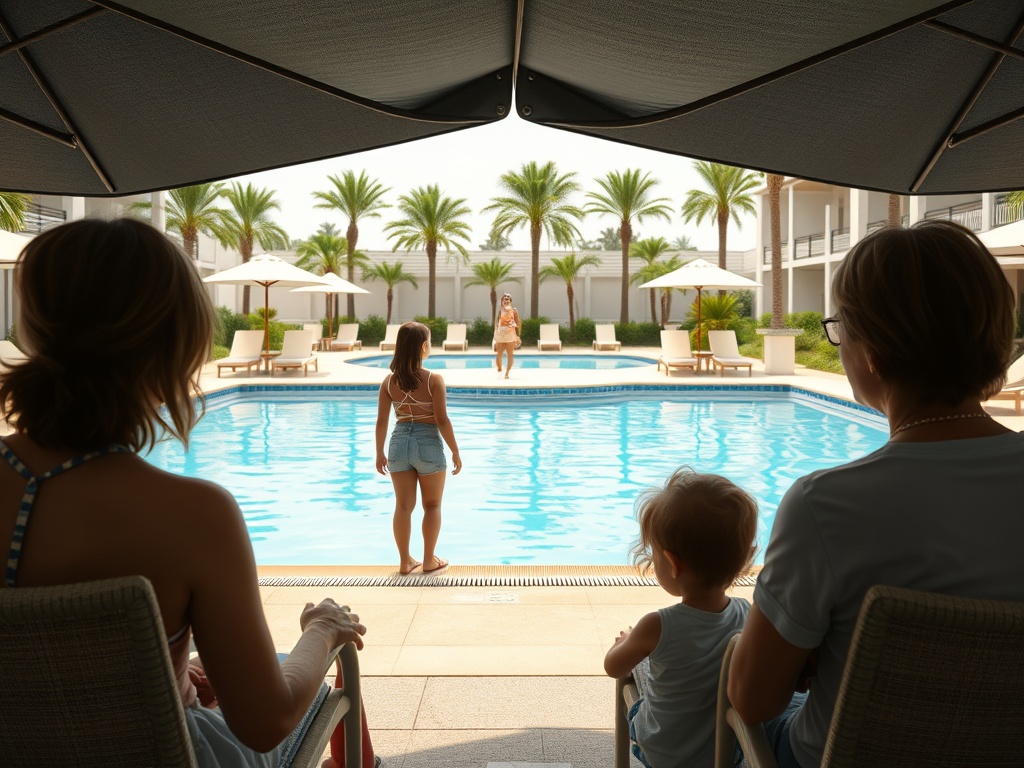
This is where the broader shift in guest expectations for resort amenities becomes relevant. Amenities are most useful when they solve a family need. Shade near the pool, a laundry option, a small market, an in-room refrigerator or a calm indoor space can be more valuable than a high-profile attraction if they reduce daily friction.
Safety, accessibility and weather planning are part of the product
Parents often assess risk more closely because one disruption can affect several people. Transfer time, medical access, lifeguard practices, balcony configuration, beach conditions, heat exposure and severe-weather policies may all influence the decision. These details vary by property and destination, so they should be checked through official information rather than assumed from a review or social post.
Accessibility also becomes a family issue when grandparents, temporary injuries, strollers or neurodiverse needs are involved. Resorts should describe accessible routes and facilities accurately and avoid using vague language where a measurement or verified feature is available. Families should contact the property for needs that must be guaranteed, especially if a room configuration or mobility feature is essential.
Reviews are becoming a logistics database
Parents often read reviews for practical observations that marketing pages cannot fully show: how long it takes to walk from family rooms to the pool, whether hallways are noisy, how restaurant waits feel at peak times, or whether a kids area has enough shade. Individual experiences are subjective, so one complaint should not be treated as a universal fact, but repeated patterns can identify questions worth asking.
Resorts can learn from this feedback by looking beyond the score. If several guests misunderstand a meal-plan rule or room configuration, the problem may be communication as much as operations. Clear pre-arrival information can reduce the mismatch between what parents expect and what the property actually offers.
Family resort choices through 2027 and 2028
Over the next 12 to 24 months, expect more demand for flexible room configurations, multigenerational activities, better separation between high-energy and quiet spaces, and digital tools that simplify planning before arrival. Family wellness may also expand, including nature, sleep, movement and low-pressure activities rather than spa services alone. These are directional trends, not promises that every resort will adopt them.
Parents can make better choices by comparing the resort as a daily routine: where everyone sleeps, eats, cools down, gets help and spends unstructured time. Resorts that make that routine easier to picture may be better positioned than properties that simply add more activities to a brochure.
Transfer effort is part of the family-resort calculation
Parents often compare the resort but underestimate the journey between the airport, port or rail station and the property. A transfer that is simple for two adults can be harder with car seats, strollers, older relatives or a late arrival. Useful resort information includes approximate transfer options, whether child restraints can be requested, what happens after normal service hours and whether the final approach requires boats, stairs or long walks. These details are not reasons to avoid a property; they are planning inputs. When families can see the full arrival sequence before booking, they can judge whether the resort experience begins with manageable logistics.
Choose the resort that fits your family system
Before booking, list the family’s non-negotiables and the two or three friction points most likely to affect the trip. Then verify those items through current official information and recent guest feedback. A resort does not need to offer everything; it needs to make the important parts of your family stay workable.