Resort Amenities, Dining & On-Property Experience
Guests are becoming more selective about amenities because a long feature list is not the same as a useful stay.
TL;DR: The amenities gaining importance tend to do one of four things: support comfort, remove friction, create a memorable reason to choose the property, or make the hotel work better for a specific trip type. Reliability and clarity increasingly matter as much as novelty.
Amenities are being sorted into essentials and differentiators
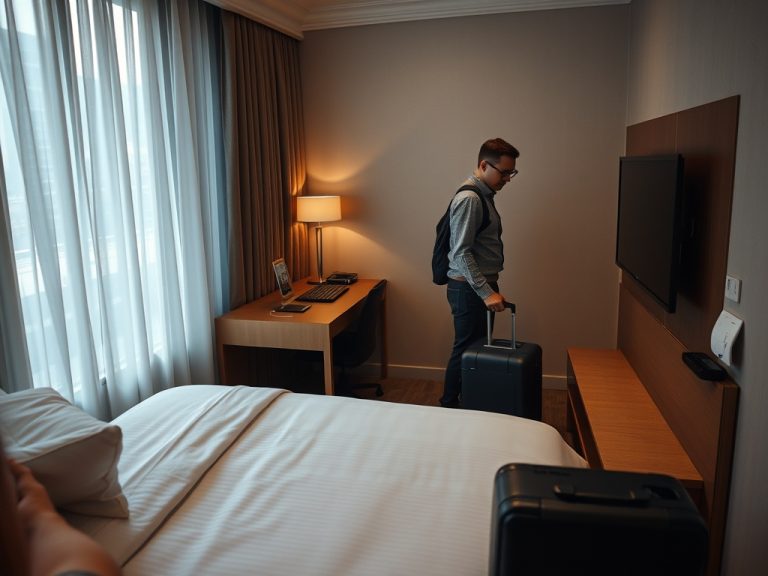
A hotel can advertise dozens of features, but guests often judge the stay first on basics: the room is clean, the bed is comfortable, temperature control works, connectivity is reliable and the promised facilities are open. Only after those needs are met do signature amenities – rooftop pools, destination restaurants, beach clubs, wellness circuits or specialty programming – create meaningful differentiation.
This is a useful strategy filter for properties. An amenity that photographs well but frequently fails operationally can damage satisfaction. A less glamorous feature that works every time may have more impact. Travelers can use the same filter when comparing hotels: separate the must-haves from the nice-to-haves, then verify the operating details that matter for the dates of the stay.
In-room technology has become a comfort feature
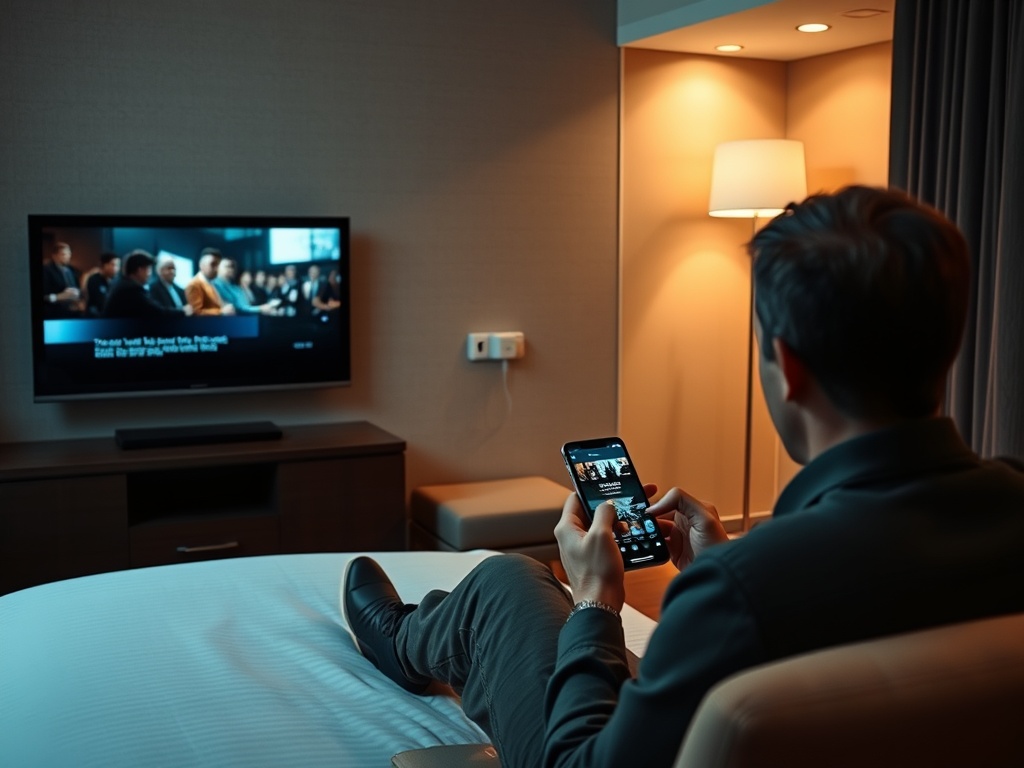
J.D. Power’s 2025 hotel satisfaction study reported rising guest interest in smart TVs and also evaluates connectivity as a core satisfaction dimension. The specific percentages are study- and market-dependent, but the direction is clear enough to treat streaming, Wi-Fi and functional controls as part of the room experience rather than as technical extras.
The expectation is not that every hotel needs the newest device. Guests often want familiar capabilities that work: easy streaming, enough charging points, simple temperature control and Wi-Fi that supports their trip. A complicated interface can be worse than a simpler reliable system. Hotels should also protect privacy by making sign-out and device-reset processes clear for connected-room features.
Food and beverage is becoming part of the reason to stay
Hotel dining can now function as an amenity, a destination and a planning tool. Expedia group’s unpack ’25 highlighted increased attention to hotel restaurants in traveler research. The implication is not that every property needs celebrity chefs; it is that food quality, access, hours and distinctiveness can influence booking decisions.
For resorts, dining design also affects perceived inclusion. Guests want to know which restaurants require reservations, which are included in a package, how children’s meals work and what happens when the property is busy. A beautiful restaurant that is difficult for hotel guests to access may create frustration rather than value.
Pools, fitness and common spaces are judged on usability
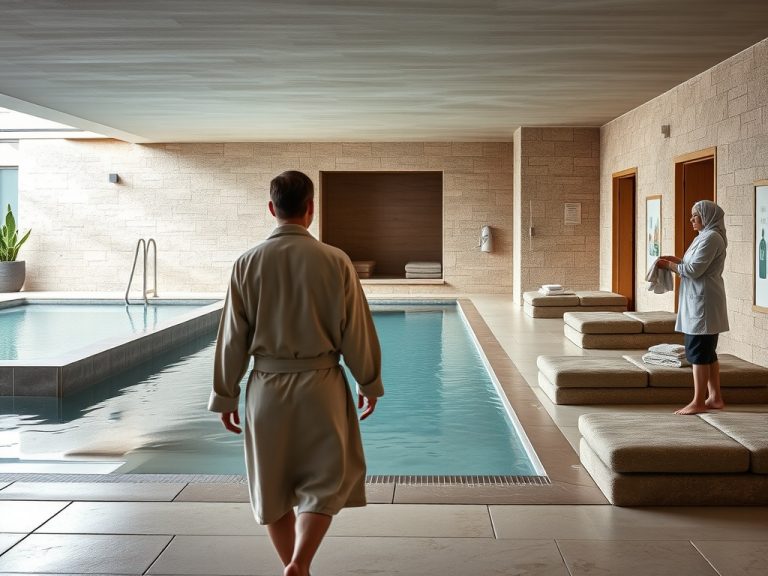
A pool is not one amenity. Families may care about shallow areas and shade; lap swimmers about opening hours; adults seeking quiet about zoning; mobility-limited guests about access. Fitness rooms are similar: the number of machines matters less if equipment is poorly maintained, crowded or unavailable when guests want to use it.
Hotels can improve amenity communication by describing capacity, location, seasonal operation and age restrictions. Travelers should read recent reviews for patterns such as maintenance, crowding or unexpected closures, while remembering that individual experiences can vary. The goal is to understand how the facility works, not to treat every comment as a fact about every stay.
Quiet and low-stimulation space is becoming an amenity
Hilton’s 2026 trends report discusses traveler interest in calm, comfort and control. One operational consequence is that quiet itself can become part of the product: acoustic design, adults-only periods, library-style lounges, garden seating, floor zoning or simply rooms that protect sleep.
This can matter in busy resorts where entertainment and relaxation coexist. A property does not need to become silent; it needs to communicate where different energy levels occur. Guests can then choose a room or area that matches their purpose. That is especially useful for families, business travelers and wellness guests whose needs may conflict at different times of day.
Digital convenience is useful when it removes queues and uncertainty
Mobile check-in, messaging, reservation apps and digital keys can make amenity use easier. They can also create a barrier for guests who prefer human assistance or encounter technical issues. The best systems offer choice and maintain a clear fallback when the digital path fails.
For resorts with many bookable facilities, digital tools can improve visibility into restaurant slots, classes and activities. But the underlying policy still has to be fair and understandable. If every popular amenity requires constant app monitoring, the technology may shift planning stress onto the guest. Properties should measure whether the tool reduces effort, not simply whether it is being used.
Amenity expectations change by traveler type
Parents may prioritize shade, childcare details and flexible food; corporate travelers may prioritize connectivity and quiet; luxury guests may prioritize privacy and individualized access; wellness travelers may prioritize spa, movement and restorative space. This is why the same property can receive conflicting feedback about an amenity. One guest may love the lively pool scene while another sees it as noise.
The related article on how parents choose resorts differently shows how family logistics reshape amenity value, while our analysis of tropical resort expectations covers the same issue in destination-resort settings. For hotel teams, segmentation should improve clarity rather than create stereotypes. Guests still need the ability to choose for themselves.
Amenities to watch through 2027 and 2028
Over the next 12 to 24 months, expect more focus on practical room technology, wellness beyond the spa, flexible food access, quieter spaces, family-ready room configurations and digital tools that coordinate on-property experiences. Some hotels may add high-profile concepts, but the stronger long-term shift may be toward amenities that fit a specific trip purpose and work consistently.
Travelers can compare amenities more effectively by asking four questions: Will I use it? Is it included? Is it available when I need it? Is the operating detail current? Hotels that answer those questions clearly may earn more trust than properties that simply advertise the longest list.
Amenity maintenance is as important as amenity design
A feature remains valuable only while it is usable. Pools need consistent upkeep, fitness equipment needs maintenance, charging points need to work, and reservation systems need accurate availability. This sounds basic, yet it matters because amenities are often added faster than they are operationally integrated. Hotels can treat downtime, crowding and repair frequency as part of amenity performance, not merely engineering data. Travelers can look for recent, repeated feedback about closures or condition and then verify critical facilities directly when they are central to the trip. A smaller, dependable amenity set may create a stronger experience than a larger list with inconsistent access.
Turn the amenity list into a stay plan
Choose the three amenities most likely to shape your day and verify their hours, access rules and costs before booking. If those features work for your routine, the rest of the amenity list can be treated as optional upside rather than as the basis of the decision.