Wellness, Spa & Fitness Resorts
Spa guests increasingly expect more than a treatment menu.
TL;DR: They may evaluate the entire wellness journey: consultation quality, privacy, quiet, thermal or water experiences, recovery time, sleep, movement, food, nature, cultural context, accessibility and how clearly the resort distinguishes a relaxing service from a medical or therapeutic claim. Credibility and fit are becoming as important as novelty.
The spa is becoming one part of a broader wellbeing stay
A massage or facial can still be the main reason a guest visits a spa, but wellness travel increasingly includes how the property supports the hours around the treatment. Guests may care about quiet rooms, sleep, hydration, movement, healthy food, nature access and whether the schedule leaves enough recovery time. This broadens the spa’s relationship with the rest of the resort.
The global wellness institute’s 2025 global wellness economy monitor documents continued growth across wellness sectors. Its market data does not prove that every hotel guest wants a wellness vacation, but it provides context for why hotel and resort operators continue investing in wellness-related experiences.
Credibility matters more as wellness claims become more ambitious
Spa marketing now includes terms such as recovery, longevity, detox, sleep optimization and metabolic health. These words do not all carry the same evidence base. Hotels should distinguish a relaxing hospitality experience from a medical service, and travelers should look for professional qualifications, contraindication information and realistic descriptions when a treatment moves beyond conventional spa care.
global wellness institute’s wellness-tourism trend work has highlighted areas such as accessible wellness, mental wellbeing, sleep and the growing importance of credibility in newer wellness offerings. The practical standard is cautious communication: describe what the service involves, who provides it and what the guest can reasonably expect, without promising health outcomes that are not supported.
Thermal, hydrotherapy and communal wellness are becoming experience design
Saunas, steam rooms, cold experiences, mineral pools and thermal circuits can turn a short treatment into a longer ritual. Guests may value the sequence, quiet, cleanliness, guidance and amount of personal space as much as the facility itself. The quality of the experience therefore depends on operating details, not simply on having a hot pool and cold plunge.
Properties should state age limits, clothing rules, reservation requirements, temperature ranges where appropriate, accessibility and any health cautions. Travelers with medical concerns should consult an appropriate health professional rather than assume a wellness facility is suitable. The related article on ultra-premium guest expectations explains why privacy and personalization are especially important when wellness is positioned at the luxury end of the market.
Quiet, sleep and low stimulation are part of spa quality
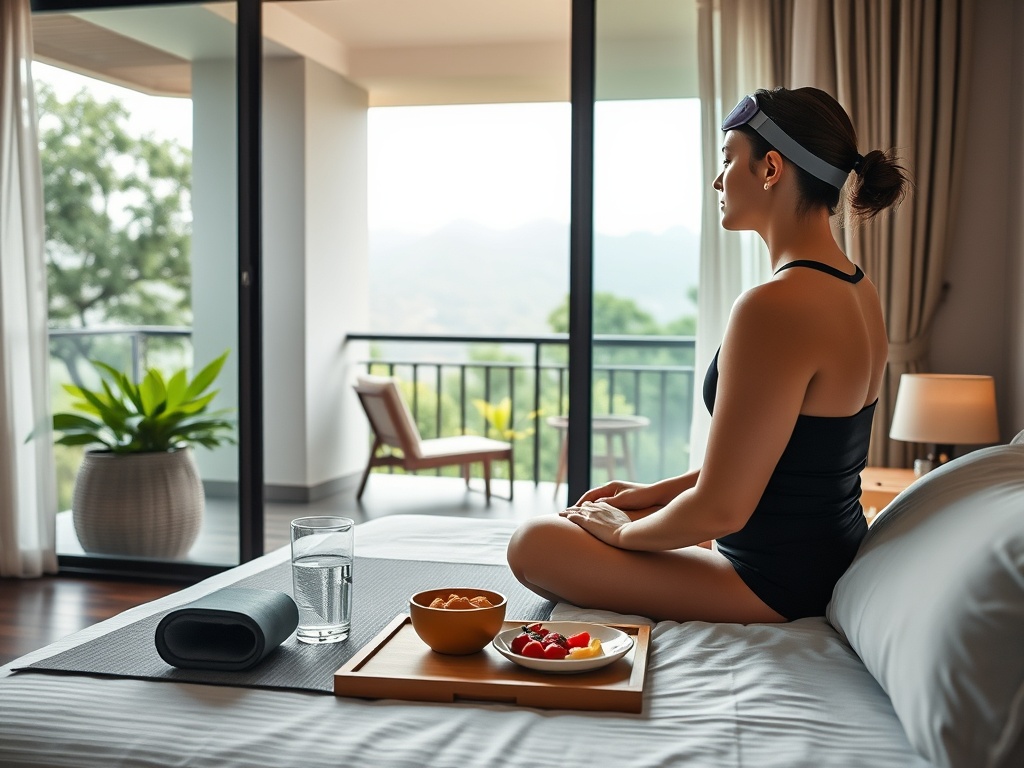
Hilton’s 2026 trends report describes stronger traveler interest in calm and comfort. In a spa setting, that can translate into acoustic design, uncrowded waiting areas, dimmer transition spaces, appointment pacing and treatments that do not end with an abrupt return to a busy lobby.
Resort rooms also affect the wellness promise. A guest who invests in a restorative spa day may judge the overall stay more harshly if the room is noisy, hot or difficult to darken. This is why wellness is becoming a cross-property responsibility rather than a department-level feature. Housekeeping schedules, food availability, room design and guest communication can all support or undermine the intended experience.
Personalization is becoming more consent-based
Spa guests may want different pressure, temperature, fragrance, conversation level, music, therapist gender or treatment pacing. Good personalization starts with clear options and consent rather than assumptions. A detailed intake form is only useful if staff use the information appropriately and protect privacy.
Technology can help with scheduling and preference records, but it should not make the spa feel transactional. A mobile booking system is useful when it shows real availability and clear cancellation rules. It becomes frustrating if a guest must use an app to resolve a sensitive treatment question that would be better handled by a trained person. The broader article on changing guest expectations for amenities shows how the same friction-versus-convenience test applies to other hotel facilities and digital services.
Family and accessible wellness are widening the audience
Wellness resorts have often been marketed to couples or solo adults, but the audience is becoming broader. Families may seek gentle movement, nature activities, age-appropriate mindfulness or parent-child experiences. Older guests and travelers with disabilities may prioritize step-free access, seating, water-entry support and staff who can explain how a facility works.
This does not mean every spa should serve every audience. Some properties will remain adults-only or highly specialized. The important change is clarity. A traveler should be able to understand who the experience is designed for and what support is available before booking.
Value is shifting from treatment count to quality of the whole sequence
A package with many treatments is not automatically better value if the schedule is rushed or the services overlap. Guests may prefer fewer, better-coordinated experiences with enough time to rest, eat and use the facilities. In luxury settings, private access or expert guidance may matter more than the number of included services.
Spa teams can support value by explaining what is included in the booking: facility access, robe and locker use, consultation, gratuity policy, cancellation deadline and how early to arrive. Transparent details reduce the chance that a guest pays a premium and still feels uncertain about the experience.
Wellness signals to watch through 2028
Over the next 12 to 24 months, expect continued interest in sleep, thermal experiences, recovery, nature, accessible wellness, quieter environments and more personalized programming. Some resorts will also experiment with diagnostics and longevity-oriented services. Those areas require especially careful distinction between hospitality, wellness and regulated medical care.
Travelers should assess spa experiences by evidence, fit and operational detail rather than by trend language. Resorts should focus on credible providers, clear claims, privacy and the full guest journey. As expectations rise, trust may become the most important wellness amenity a property can offer.
The spa schedule should leave room for recovery
Wellness itineraries can become counterproductive when every hour is filled. Guests booking several treatments, fitness sessions and excursions may value guidance on pacing, hydration, meal timing and transition time between activities. A resort can support this without making clinical claims by explaining the practical duration of each experience and encouraging realistic gaps where appropriate. Travelers should also consider arrival day, jet lag, heat and other trip demands before committing to a dense program. In many cases, the perceived quality of a wellness stay may come from having enough unstructured time to use the facilities, rest and absorb the experience rather than maximizing the number of scheduled services.
Book spa time with the same care as the room
Before reserving, check who provides the service, what the experience includes, facility access, cancellation terms and any health restrictions that apply. If a treatment makes a medical-sounding promise, look for appropriate clinical credentials and evidence rather than relying on resort marketing alone.