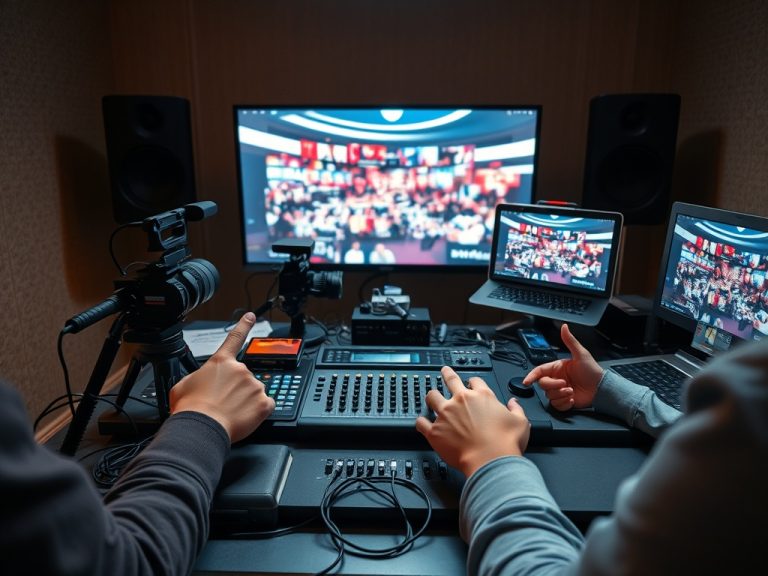
The practical answer is to treat repurpose event content solution as a decision framework, not a loose collection of tasks. A strong plan clarifies what must be approved, who owns it, what can change, and what readers or attendees should verify before they act.
TL;DR: A useful problem/solution for repurpose event content solution should focus on the few decisions that change outcomes: ownership, timing, access, risk, communication, and proof before public commitments are made.
Why Repurposing Controls Post-Event Value
For post-event analytics, roi & repurposing, the narrowest useful angle is to diagnose why valuable event sessions go unused and fix the repurposing workflow before buying more promotion or creating new content. This matters because event work joins creative goals with contracts, physical space, people, technology, public communication, and risk controls. A good article or plan should help teams make a decision they can actually execute, not simply collect more ideas.
Teams that need a connected planning view can compare this topic with beginner’s guide to B2B conferences, summits, and trade association events for better event decisions, because that related guide addresses a nearby decision without replacing the specific process covered here.
The Real Problem Is Usually Workflow, Not Content Quality
When great sessions go unused, the issue is often not the session. It is the absence of a repurposing workflow. Recordings sit in storage, permissions are unclear, titles are vague, clips are not prioritized, and no one owns distribution. Before creating more event content, fix the path that turns sessions into useful post-event assets.
Diagnose the Bottleneck
Start by identifying where content stalls: capture quality, speaker permissions, file naming, editing backlog, transcript accuracy, approval routing, content calendar gaps, sponsor restrictions, or weak landing pages. The bottleneck may be operational rather than creative. A strong session can still fail if the team cannot find it, cut it, caption it, approve it, and publish it.
A useful review should separate confirmed facts from working assumptions. Confirmed facts may include signed dates, approved spaces, published schedules, contractual terms, or official venue rules. Working assumptions may include audience behavior, sponsor preferences, content demand, staffing comfort, or perceived atmosphere. Treating both as equal can create weak decisions.
Fix Repurposing Before Promotion
Promotion works better when the asset is packaged for a specific audience. A keynote can become a summary article, short clips, quote cards, an internal sales enablement note, an on-demand replay, an email sequence, or a sponsor recap. Choose formats based on audience need and channel behavior rather than trying to use every clip everywhere.
This is also where teams should connect the plan to how scorecard-based vendor reviews Is changing vendor contracts for event teams. The related resource gives another lens on timing, format, or content decisions that often affect the same approval path.
Protect Trust and Permissions
Do not assume every recording can be reused in every format. Speaker contracts, attendee privacy, sponsor rights, music licensing, and platform terms may affect usage. FTC advertising guidance can also matter when repurposed content includes endorsements, sponsored claims, or paid promotion in the United States. Other regions may have different rules.
The safest process is to document the decision, the owner, the review date, and the condition that would trigger a change. That keeps the plan adaptable without allowing every preference to reopen the entire project.
When to Bring In Outside Support
Consider outside tools or specialists when the team has many recordings, multiple languages, heavy editing needs, accessibility requirements, sponsor reporting obligations, or no internal owner. Bring support in with a clear brief: priority sessions, target assets, approval rules, distribution deadlines, captioning requirements, and success metrics.

For outside reference, teams can review FTC advertising and marketing guidance when the topic touches safety, accessibility, sustainability, compliance, marketing claims, or supplier risk. Use such resources as planning support, then verify requirements with the official organizer, venue, authority, or professional adviser for the specific event.
Repurposing Bottleneck Table
| Symptom | Likely cause | First fix |
|---|---|---|
| Recordings sit untouched | No owner or publishing calendar | Assign repurposing lead and due dates |
| Clips feel random | No audience map | Match clips to persona and funnel stage |
| Approval takes weeks | Unclear rights or review path | Define permissions and approvers |
| Low replay views | Weak packaging | Improve title, summary, and distribution |
Use the table as a review aid, not as a universal rule. Event requirements change across venues, cities, countries, audience types, contracts, and ticket structures. A simple event may only need a light version of this review, while a public, paid, hybrid, or sponsor-heavy event usually needs more documentation.
[IMAGE PLACEHOLDER 2: Editorial photo showing the practical environment where Article 9 would be reviewed or implemented.]
Content Repurposing Repair Checks
- Name the single accountable owner for the decision.
- Record which facts are confirmed and which details remain assumptions.
- Confirm that the plan matches venue rules, contract terms, and audience access needs.
- List the approvals required before promotion, registration, production, or partner outreach continues.
- Set one review point after the event so the team can improve the next version.
When the decision touches budget, messaging, live delivery, vendor control, or post-event content, read it alongside How to build an event planning timeline without creating extra Event Complexity so the same assumptions do not silently move from one workstream into another.
For a second outside reference, W3C captions for live media guidance can help teams pressure-test requirements that may sit outside the marketing or editorial plan.
Repurposing Questions Before Editing
Which repurposing bottleneck should be fixed first?
Decide the audience outcome and the operational constraints first. Creative details are easier to refine once the team knows what the event must accomplish and what limits cannot move.
Can post-event content use a simple workflow?
Yes, if the event is small and low-risk. For public, paid, sponsored, hybrid, or regulated settings, the checklist should connect to owners, dates, contracts, and proof points.
Which content rights need verification?
Verify dates, access rules, ticket terms, venue policies, permit expectations, legal obligations, travel requirements, and safety guidance with official sources before acting.
Give Good Sessions a Second Distribution Plan
The strongest next step is to turn the article into a short working review: one owner, one current draft, one decision table, and one deadline for unresolved questions. That keeps the process useful without adding a heavy planning layer.
Disclaimer: This events content is for informational and educational purposes only. It is not legal, financial, travel, immigration, safety, accessibility, tax, insurance, or contractual advice. Readers should verify all details directly with official event organizers, venues, local authorities, ticketing platforms, and qualified professionals before making travel, ticketing, purchasing, contracting, or participation decisions.