The practical answer is to treat B2B conference strategy as a decision framework, not a loose collection of tasks. A strong plan clarifies what must be approved, who owns it, what can change, and what readers or attendees should verify before they act.
TL;DR: A useful beginner guide for B2B conference strategy should focus on the few decisions that change outcomes: ownership, timing, access, risk, communication, and proof before public commitments are made.
Why B2B Event Type Controls Early Planning
For industry-specific events & emerging trends, the narrowest useful angle is to explain B2B conferences, summits, and trade association events in simple terms so beginner teams can make better early event decisions. This matters because event work joins creative goals with contracts, physical space, people, technology, public communication, and risk controls. A good article or plan should help teams make a decision they can actually execute, not simply collect more ideas.
Teams that need a connected planning view can compare this topic with How to build an event planning timeline without creating extra event complexity, because that related guide addresses a nearby decision without replacing the specific process covered here.
What B2B Events Mean
B2B events are professional gatherings designed for business audiences rather than general consumers. They may support learning, networking, lead generation, industry standards, member engagement, product education, sponsor visibility, or partner development. The right format depends on the decision the event is supposed to support.
How Conferences, Summits, and Association Events Differ
A conference often combines sessions, networking, sponsors, and sometimes exhibits. A summit is usually narrower and more focused on leadership, strategy, or a defined theme. A trade association event may serve members, committees, education, advocacy, standards, or industry relationships. These categories overlap, so teams should define goals before copying another event’s structure.
A useful review should separate confirmed facts from working assumptions. Confirmed facts may include signed dates, approved spaces, published schedules, contractual terms, or official venue rules. Working assumptions may include audience behavior, sponsor preferences, content demand, staffing comfort, or perceived atmosphere. Treating both as equal can create weak decisions.
Core Terms Beginners Should Know
Beginners should understand agenda, tracks, sessions, keynotes, breakout rooms, exhibitors, sponsors, registration tiers, attendee personas, continuing education, room blocks, run-of-show, lead retrieval, hybrid access, on-demand content, and post-event reporting. These terms affect budget, staffing, technology, and attendee expectations.
This is also where teams should connect the plan to If you’re dealing with great sessions are going unused, fix event repurposing first. The related resource gives another lens on timing, format, or content decisions that often affect the same approval path.
Early Decisions That Shape the Event
The first decisions include audience, business goal, format, budget range, venue type, content model, sponsorship approach, registration path, accessibility needs, risk planning, and post-event content use. The Event Industry Council describes sustainable event standards that assess events and suppliers across environmental and social responsibility criteria, which can be a helpful reminder that event decisions carry operational and community impacts.
The safest process is to document the decision, the owner, the review date, and the condition that would trigger a change. That keeps the plan adaptable without allowing every preference to reopen the entire project.
Beginner Mistakes to Avoid
Avoid choosing a venue before defining format, selling sponsorships before inventory is clear, building an agenda without audience research, ignoring accessibility until late, collecting weak attendee data, and treating post-event content as an afterthought. These mistakes are common process risks rather than guaranteed failures.

For outside reference, teams can review event industry council sustainable event standards when the topic touches safety, accessibility, sustainability, compliance, marketing claims, or supplier risk. Use such resources as planning support, then verify requirements with the official organizer, venue, authority, or professional adviser for the specific event.
B2B Event Format Guide Table
| Event type | Typical purpose | Beginner focus |
|---|---|---|
| Conference | Education, networking, sponsor value | Agenda design and attendee flow |
| Summit | Focused executive or strategic discussion | Audience fit and content quality |
| Trade association event | Member value, industry coordination | Governance, education, and sponsor alignment |
| Hybrid B2B event | Reach in-room and remote audiences | Technology and content repurposing |
Use the table as a review aid, not as a universal rule. Event requirements change across venues, cities, countries, audience types, contracts, and ticket structures. A simple event may only need a light version of this review, while a public, paid, hybrid, or sponsor-heavy event usually needs more documentation.
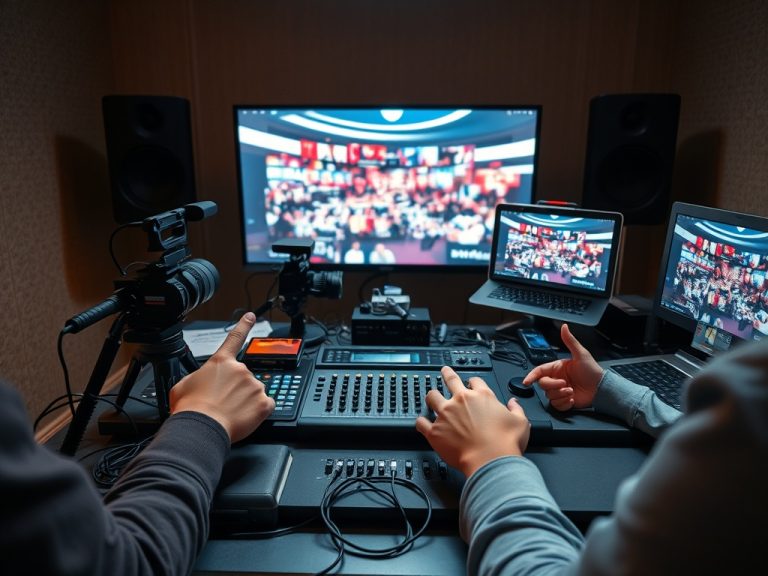
[IMAGE PLACEHOLDER 2: Editorial photo showing the practical environment where Article 10 would be reviewed or implemented.]
Early B2B Event Planning Checks
- Name the single accountable owner for the decision.
- Record which facts are confirmed and which details remain assumptions.
- Confirm that the plan matches venue rules, contract terms, and audience access needs.
- List the approvals required before promotion, registration, production, or partner outreach continues.
- Set one review point after the event so the team can improve the next version.
When the decision touches budget, messaging, live delivery, vendor control, or post-event content, read it alongside community event format checklist: what to review before permits and partners are lined up so the same assumptions do not silently move from one workstream into another.
For a second outside reference, CISA mass gathering planning tool factsheet can help teams pressure-test requirements that may sit outside the marketing or editorial plan.
B2B Event Questions Before Budgeting
Which B2B event decision comes first?
Decide the audience outcome and the operational constraints first. Creative details are easier to refine once the team knows what the event must accomplish and what limits cannot move.
Can a beginner plan use a simple checklist?
Yes, if the event is small and low-risk. For public, paid, sponsored, hybrid, or regulated settings, the checklist should connect to owners, dates, contracts, and proof points.
Which B2B event details need confirmation?
Verify dates, access rules, ticket terms, venue policies, permit expectations, legal obligations, travel requirements, and safety guidance with official sources before acting.
Start With the Event’s Business Job
The strongest next step is to turn the article into a short working review: one owner, one current draft, one decision table, and one deadline for unresolved questions. That keeps the process useful without adding a heavy planning layer.
Disclaimer: This events content is for informational and educational purposes only. It is not legal, financial, travel, immigration, safety, accessibility, tax, insurance, or contractual advice. Readers should verify all details directly with official event organizers, venues, local authorities, ticketing platforms, and qualified professionals before making travel, ticketing, purchasing, contracting, or participation decisions.