
The fastest way to learn a new sport is to treat the rulebook as a map, not a textbook. Start with the playing area, scoring, timing, fouls, restarts, and common referee signals before worrying about rare edge cases.
Quick Takeaways: Beginner’s Guide to Rulebooks
- Learn the structure before memorizing exceptions.
- Watch one short clip after each rule category so the rule becomes visual.
- Use a one-page cheat sheet for scoring, fouls, substitutions, and restart situations.
Why rulebooks feel harder than the sport itself
Most rulebooks are written for officials, coaches, and competition organizers, not for someone seeing the sport for the first time. They need precise language because one sentence may decide a penalty, a restart, or a score. That precision can make a simple idea feel complex.
A rulebook is not a novel. It is a reference system, so the smartest approach is to read the definitions, field or court layout, scoring rules, restart rules, and penalties before studying rare exceptions. Beginners make faster progress when they pair the written rule with video, a live match, or a short practice scenario. That keeps the rule tied to a real moment instead of a paragraph that feels abstract.
A beginner does not need to understand every appeal procedure or equipment measurement on day one. The useful goal is practical fluency: knowing what is happening, why play stopped, how points are earned, and which actions are unsafe or illegal. For organized school and club sports, official rules pages such as the NFHS sports rules information page are useful starting references when local leagues follow modified versions.
The five-part rulebook scan
Use the same scan every time you open a new sport’s rules: field or court, players and positions, scoring, timing, and violations. If you can explain those five items in plain language, you can usually follow a beginner match without feeling lost.
Field and court rules tell you where the action can happen. Player rules explain who can do what. Scoring rules tell you what matters. Timing rules explain periods, innings, sets, stoppages, and overtime. Violation rules tell you why an official stops play.
After that, study substitutions and restart procedures. In many sports, newcomers understand the goal but lose track when play restarts after a foul, out-of-bounds call, dead ball, or service change.
Rulebook Reading Order
| Step | Read first | Why it matters |
|---|---|---|
| 1 | Playing area and equipment | Shows where legal action happens |
| 2 | Scoring and timing | Explains the objective and game rhythm |
| 3 | Common fouls and restarts | Makes stoppages easier to understand |
| 4 | Substitutions and eligibility | Prevents confusion in organized play |
| 5 | Rare exceptions | Best saved until the basics feel natural |
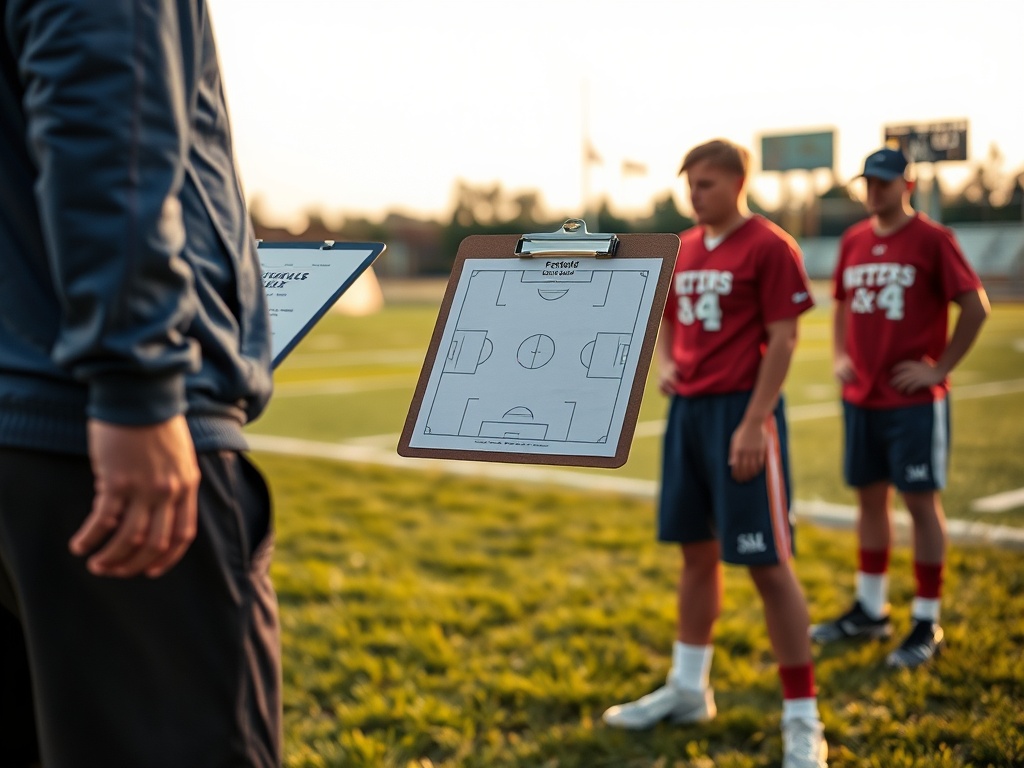
A 30-minute method for learning any sport
First, spend five minutes reading a beginner overview or official quick guide. Second, spend ten minutes on scoring and timing. Third, spend ten minutes watching a clip while pausing at stoppages. Fourth, spend five minutes writing three questions that came up while watching.
This method works because the rulebook answers real confusion instead of forcing you to memorize disconnected terms. It also lowers frustration for parents, new players, and casual fans who want to understand enough to enjoy the next game.
For a technical sport, connect rule learning with form learning. A rower, for example, benefits from reading basic race and equipment rules while also reviewing the rhythm explained in our guide to rowing technique 101.
Common beginner misunderstandings
Newcomers often assume similar words mean the same thing across sports. A turnover, error, fault, foul, violation, and infraction all describe mistakes, but each sport treats them differently. Another common mistake is assuming professional rules apply exactly to youth, school, recreational, or adaptive formats.
Do not treat commentary as law. Announcers simplify. Fans argue. Social clips can remove context. When a rule matters, check the governing body, league handbook, or tournament page. That is especially true for safety rules, age-group rules, equipment restrictions, and modified competition formats.
A practical shortcut is to ask: what changed after the call? Possession, score, field position, time, player eligibility, or restart location. The consequence often teaches the rule faster than the wording alone.
Build your first rule cheat sheet
Create a one-page sheet with seven labels: scoring, game clock, boundaries, substitutions, common fouls, restarts, and safety stoppages. Keep each note to one line. Add the hand signal or official phrase if the sport uses one.
Parents and beginner athletes can keep this sheet in a phone note. Recreational players can review it before the first practice. Aspiring officials can use the same structure before they study formal mechanics in a referee course.
If gear or recovery rules are part of your sport, connect your notes with practical preparation. For example, our guide to recovery tools for athletes helps beginners separate training comfort from actual rule compliance.
Your first week of rule learning
Day one is for the basics. Day two is for a slow replay of one match. Day three is for common fouls. Day four is for restarts. Day five is for substitutions and timing. Day six is for a live game. Day seven is for revising your cheat sheet.
This schedule keeps learning active without making the rulebook feel like homework. It also gives you enough language to ask better questions of coaches, teammates, officials, or experienced fans.
A good rule learner stays humble. Many sports contain judgment calls, advantage rules, and local modifications. When in doubt, ask which rule set is being used and what level of play it applies to.
A Simple First-Game Study Plan
Before watching your first full game, pick one team or athlete and follow only their basic responsibilities. This keeps attention from scattering across every rule at once. After ten minutes, write down what caused stoppages and how play restarted.
During the second viewing, track scoring chances and penalties. During the third, listen for terms you do not know and check only the official or league source afterward. This staged approach prevents the common beginner habit of pausing every few seconds and losing the flow of the sport.
Use a friend, coach, or experienced fan as a translator, not as the only authority. Ask them to explain what they saw, then compare that explanation with the rule text. The difference between a fan phrase and a rule phrase is often where real understanding begins.
After one week, rewrite your cheat sheet without looking at the original. The gaps show what to study next, and the parts you remember show which rules are already becoming practical knowledge.
Beginner’s Guide to Rulebooks Reader Checkpoints
How often should I revisit this advice?
Review it whenever the setting changes: a new season, higher level, different coach, new league rules, or a shift in workload.
What should beginners avoid first?
Avoid copying advanced routines before the basic purpose is clear. In sport, the first win is usually understanding the pattern well enough to act safely and consistently.
Where does this fit next?
Use this guide as a starting point, then move to the linked same-domain resources that match your next practical question.
Keep the Rulebook Useful
Choose one small action from this guide and apply it at your next practice, match, meeting, or planning session. Keep notes on what changed so your next decision is based on evidence, not guesswork.