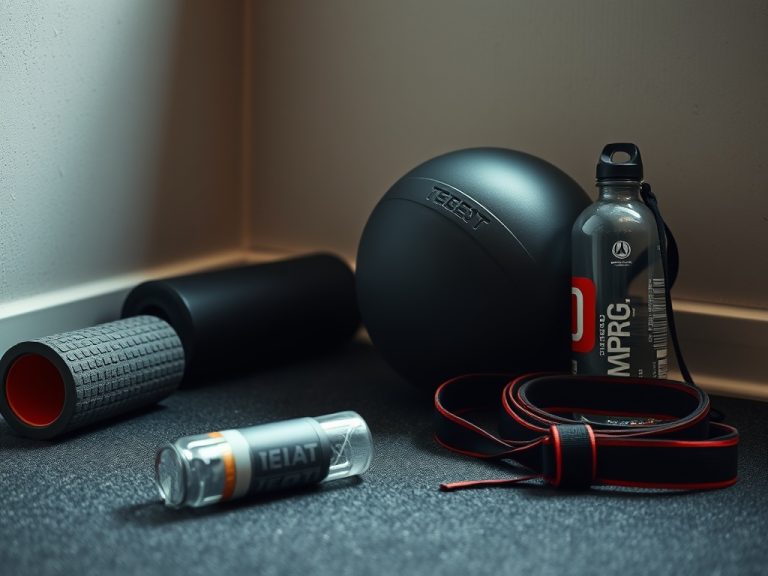
A deload week is a planned reduction in training stress so the body can adapt. It should feel purposeful, not lazy: keep movement quality, reduce volume or intensity, and use the week to sharpen technique, sleep, nutrition, and recovery habits.
Quick Takeaways: How to Use Deload Weeks Without Feeling Like You’re Los
- Deloads reduce stress; they do not erase fitness.
- Most athletes deload by cutting volume, intensity, or both for a short period.
- A good deload leaves you fresher, more focused, and ready for the next block.
Why Deload Weeks Feel Mentally Hard
Deload weeks is not only a technical issue. It affects confidence, planning, fairness, and the way people experience sport. The useful approach is to separate verifiable facts from judgment calls, then build a repeatable process around the decisions that come up most often.
For using lighter training without feeling behind, beginners and intermediate readers need language they can use in a real practice, team meeting, family discussion, or event setting. That means fewer slogans and more observable signals: time, workload, role, cost, safety, participation, and feedback.
Do not label every tired day as overtraining, but do not ignore persistent fatigue, pain, sleep disruption, or declining mood.
Before You Reduce Training Stress
Start with the setting. A recreational session, school team, travel program, tournament, and community event can all use different standards. Then check who is affected, what rule or expectation applies, and what information is missing.
Good decisions usually come from a small set of questions: What is the goal today? What is the risk of doing too much? Who needs to be informed? What can be adjusted without changing the purpose of the activity?
Youth athletes and parents should pay attention to medical guidance on overuse and sport specialization; the American academy of pediatrics has warned against excessive year-round intensive training for young athletes.
Deload Adjustment Choices
| Adjustment | Example | Best for |
|---|---|---|
| Lower volume | Fewer sets, reps, meters, or minutes | Accumulated soreness |
| Lower intensity | Easier pace or lighter load | Nervous system fatigue |
| Technique focus | Slow drills and video review | Skill correction |
| Extra rest day | Remove optional session | Busy weeks or poor sleep |

A Deload Framework Athletes Can Trust
Use a three-step framework: observe, decide, and review. Observe what is actually happening rather than relying on reputation or emotion. Decide on the smallest useful adjustment. Review the outcome soon enough to learn from it.
For example, a strength athlete might keep the same lifts with fewer sets, a rower might lower stroke rate and focus on sequence, and a youth athlete might replace extra sessions with mobility and easy skill work. The same thinking works for coaches, players, parents, volunteers, and organizers because it turns a vague concern into a manageable next step.
For athletes considering higher training demands, deload habits fit well with the broader decision around moving from recreational to competitive training.
Deload Mistakes That Keep Fatigue High
One mistake is copying elite sport without asking whether the setting is similar. Professional teams have deeper staffs, different incentives, and more recovery support than most community or school programs. Another mistake is treating one good or bad day as proof of a permanent trend.
A second mistake is using only the loudest voice in the room. Coaches may see one angle, athletes another, parents another, and organizers another. Better decisions leave a record of what was agreed, why it was chosen, and when it will be reviewed.
A third mistake is ignoring the boring details: schedule, warm-up, equipment fit, travel time, hydration, role clarity, and communication. These details often decide whether a plan works.
How to Tell the Lighter Week Worked
Choose two or three measures that match the goal. A performance goal might use consistency, skill execution, or decision quality. A participation goal might use attendance, retention, and athlete feedback. A safety goal might use missed sessions, reported soreness, or incident logs.
Avoid pretending that every useful outcome has a perfect number. Some outcomes need observation notes, short surveys, or a brief debrief. The key is to compare like with like and avoid dramatic conclusions from a tiny sample.
When a plan is working, people usually know what is expected, the activity runs with fewer avoidable interruptions, and the next adjustment becomes easier to explain.
Your Next Low-Stress Training Block
Pick one change for the next session, event, or planning cycle. Write it down in plain language. Tell the people affected before the activity begins. Afterward, ask what improved, what felt unclear, and what should stay the same.
That small loop builds trust because it shows that decisions are not random. It also protects the fun of sport by keeping process, safety, and development in balance.
The best outcome is not a perfect system. It is a system that is clear enough to use, flexible enough to adjust, and honest enough to review.
Protect Confidence During a Lighter Week
Many athletes struggle with deloads because they connect progress with fatigue. A lighter week can feel suspicious if every previous week ended with soreness. Reframe the goal: the deload is where the body absorbs the work already done.
Keep a visible training habit so the week still feels athletic. Show up at the usual time, warm up, move well, and leave with energy in reserve. That pattern protects identity while reducing stress.
Use the week to fix details that heavy training hides. Clean up warm-up routines, review video, practice breathing, prepare meals, check equipment, and sleep on schedule. These tasks are not dramatic, but they often decide how well the next block starts.
The test of a deload is not whether it feels easy on day one. The better test is whether the athlete returns with sharper movement, steadier motivation, and fewer warning signs.
How to Use Deload Weeks Without Feeling Like You’re Los Reader Checkpoints
How often should I revisit this advice?
Review it whenever the setting changes: a new season, higher level, different coach, new league rules, or a shift in workload.
What should beginners avoid first?
Avoid copying advanced routines before the basic purpose is clear. In sport, the first win is usually understanding the pattern well enough to act safely and consistently.
Where does this fit next?
Use this guide as a starting point, then move to the linked same-domain resources that match your next practical question.
Let Recovery Become Training
Choose one small action from this guide and apply it at your next practice, match, meeting, or planning session. Keep notes on what changed so your next decision is based on evidence, not guesswork.