Great game-day photos come from planning your position, watching the flow of play, and shooting in short bursts instead of staring at the screen all game. The goal is to capture meaningful moments while still experiencing the event.
Quick Takeaways: Best Ways to Capture Great Game-Day Photos Without Miss
- Choose a safe, permitted shooting spot before the action starts.
- Capture context, emotion, and details, not only peak action.
- Put the camera down during key live moments you want to remember.
The Game-Day Photo Problem
Game-day photography is not only a technical issue. It affects confidence, planning, fairness, and the way people experience sport. The useful approach is to separate verifiable facts from judgment calls, then build a repeatable process around the decisions that come up most often.
For getting better photos without losing the live experience, beginners and intermediate readers need language they can use in a real practice, team meeting, family discussion, or event setting. That means fewer slogans and more observable signals: time, workload, role, cost, safety, participation, and feedback.
Do not block views, step into playing areas, or publish identifiable images of minors without appropriate permission.
Before the Opening Whistle
Start with the setting. A recreational session, school team, travel program, tournament, and community event can all use different standards. Then check who is affected, what rule or expectation applies, and what information is missing.
Good decisions usually come from a small set of questions: What is the goal today? What is the risk of doing too much? Who needs to be informed? What can be adjusted without changing the purpose of the activity?
Always follow venue rules on cameras, lenses, sideline access, and flash. Many school and community venues also have privacy expectations for children and spectators.
Game-Day Photo Priorities
| Moment | Best approach | Why it works |
|---|---|---|
| Warm-ups | Shoot early details | Less pressure, easier access |
| Live action | Short bursts only | Prevents screen-watching |
| Sideline emotion | Stay respectful and distant | Captures story without intrusion |
| Post-game | Look for natural interactions | Often more memorable than action |
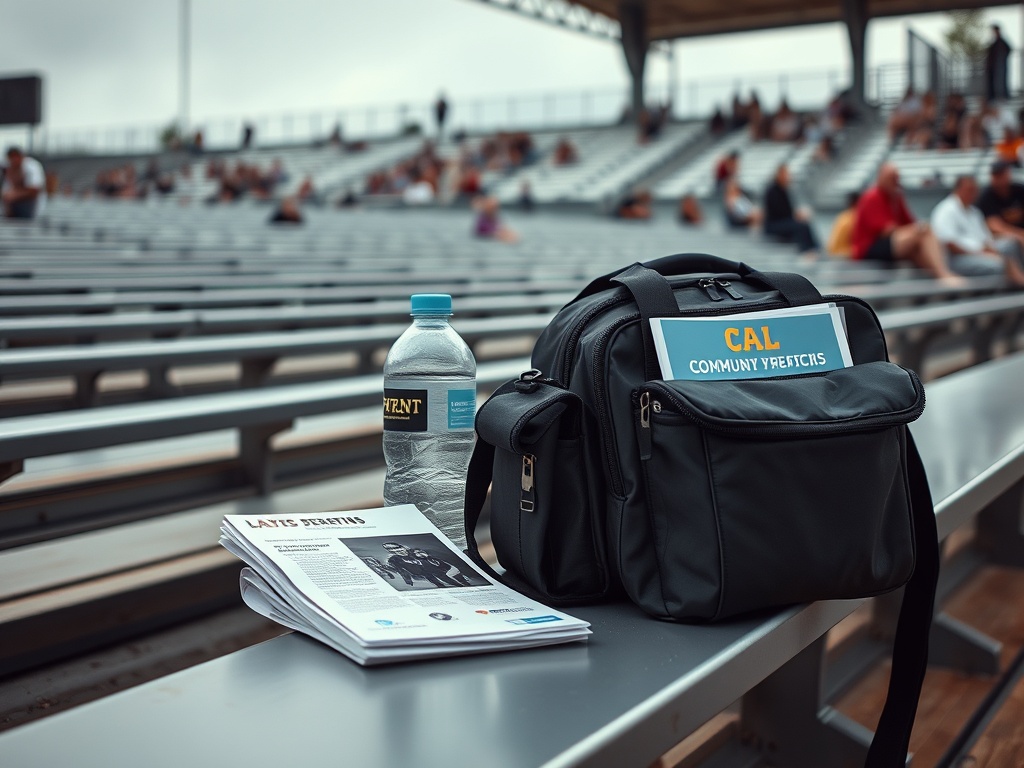
A Photo Plan That Protects the Experience
Use a three-step framework: observe, decide, and review. Observe what is actually happening rather than relying on reputation or emotion. Decide on the smallest useful adjustment. Review the outcome soon enough to learn from it.
For example, a parent might shoot warm-ups, key substitutions, and post-game reactions, then watch long stretches without the phone raised. The same thinking works for coaches, players, parents, volunteers, and organizers because it turns a vague concern into a manageable next step.
Fan experience is changing across sports, and our esports fan engagement article shows how audiences value highlights, community, and shared moments beyond the final score.
Photography Mistakes That Distract Everyone
One mistake is copying elite sport without asking whether the setting is similar. Professional teams have deeper staffs, different incentives, and more recovery support than most community or school programs. Another mistake is treating one good or bad day as proof of a permanent trend.
A second mistake is using only the loudest voice in the room. Coaches may see one angle, athletes another, parents another, and organizers another. Better decisions leave a record of what was agreed, why it was chosen, and when it will be reviewed.
A third mistake is ignoring the boring details: schedule, warm-up, equipment fit, travel time, hydration, role clarity, and communication. These details often decide whether a plan works.
How to Judge a Strong Photo Set
Choose two or three measures that match the goal. A performance goal might use consistency, skill execution, or decision quality. A participation goal might use attendance, retention, and athlete feedback. A safety goal might use missed sessions, reported soreness, or incident logs.
Avoid pretending that every useful outcome has a perfect number. Some outcomes need observation notes, short surveys, or a brief debrief. The key is to compare like with like and avoid dramatic conclusions from a tiny sample.
When a plan is working, people usually know what is expected, the activity runs with fewer avoidable interruptions, and the next adjustment becomes easier to explain.
Your Next Event-Shooting Plan
Pick one change for the next session, event, or planning cycle. Write it down in plain language. Tell the people affected before the activity begins. Afterward, ask what improved, what felt unclear, and what should stay the same.
That small loop builds trust because it shows that decisions are not random. It also protects the fun of sport by keeping process, safety, and development in balance.
The best outcome is not a perfect system. It is a system that is clear enough to use, flexible enough to adjust, and honest enough to review.
Create a Shot List That Leaves Room to Watch
A short shot list prevents over-shooting. Choose five categories before the event: venue detail, warm-up, one action sequence, sideline reaction, and post-game moment. Once those are captured, give yourself permission to watch the game normally.
Position matters more than zoom for many casual photographers. A clean background, safe angle, and awareness of the next play often produce better photos than standing too close with no plan. Always stay outside restricted areas.
Use bursts sparingly. Holding the shutter for every play creates too many files and can make the event feel like work. Short bursts during predictable moments, such as a serve, sprint, start, or set piece, are easier to review later.
After the game, select fewer images than you think you need. A small set of strong, respectful photos tells the story better than a huge folder of near-duplicates.
Best Ways to Capture Great Game-Day Photos Without Miss Reader Checkpoints
How often should I revisit this advice?
Review it whenever the setting changes: a new season, higher level, different coach, new league rules, or a shift in workload.
What should beginners avoid first?
Avoid copying advanced routines before the basic purpose is clear. In sport, the first win is usually understanding the pattern well enough to act safely and consistently.
Where does this fit next?
Use this guide as a starting point, then move to the linked same-domain resources that match your next practical question.
Photograph the Story, Not Every Second
Choose one small action from this guide and apply it at your next practice, match, meeting, or planning session. Keep notes on what changed so your next decision is based on evidence, not guesswork.