
The practical answer is to treat community event format checklist as a decision framework, not a loose collection of tasks. A strong plan clarifies what must be approved, who owns it, what can change, and what readers or attendees should verify before they act.
TL;DR: A useful checklist for community event format checklist should focus on the few decisions that change outcomes: ownership, timing, access, risk, communication, and proof before public commitments are made.
Why Format Decisions Control Community Event Readiness
For event formats & experience design, the narrowest useful angle is to review a community event format before permits, partners, sponsors, and venue commitments become difficult to change. This matters because event work joins creative goals with contracts, physical space, people, technology, public communication, and risk controls. A good article or plan should help teams make a decision they can actually execute, not simply collect more ideas.
Teams that need a connected planning view can compare this topic with Room Layouts faq: answers event teams need before they move forward, because that related guide addresses a nearby decision without replacing the specific process covered here.
Define the Public Experience First
A community event format should be reviewed before permits and partner promises are locked because the format controls space, access, staffing, safety, promotion, and cost. The format is not only a creative choice. It determines whether the event behaves like a walk-through market, seated program, workshop, festival, fundraiser, public forum, or hybrid gathering.
Review the Physical Footprint
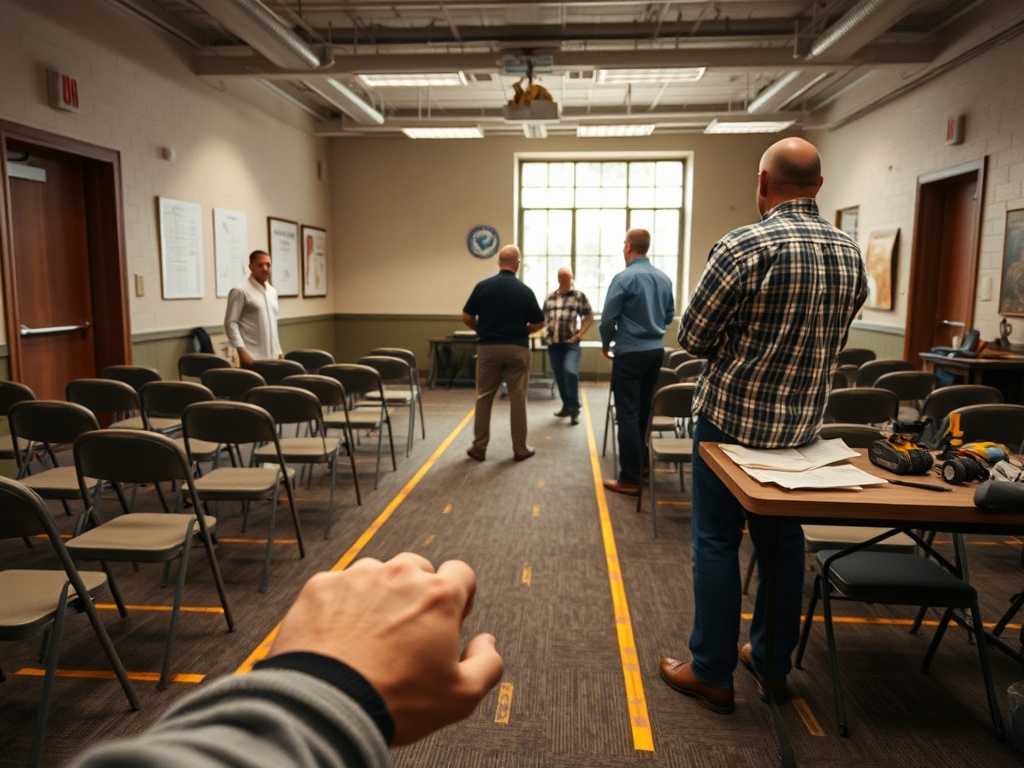
Check the footprint before partner outreach. Confirm expected arrival points, accessible routes, restrooms, exits, staging areas, vendor areas, lines, emergency access, weather cover, power, waste handling, and noise expectations. ADA design standards explain that covered facilities must meet physical accessibility requirements, so accessibility should be designed into the format rather than treated as a late fix.
A useful review should separate confirmed facts from working assumptions. Confirmed facts may include signed dates, approved spaces, published schedules, contractual terms, or official venue rules. Working assumptions may include audience behavior, sponsor preferences, content demand, staffing comfort, or perceived atmosphere. Treating both as equal can create weak decisions.
Map Approvals and Dependencies
Permits, insurance, venue rules, food handling, street use, temporary structures, security, amplified sound, and local authority requirements vary by place and event type. Avoid broad assumptions. Build a dependency list that shows which approval is needed before sponsor announcements, vendor onboarding, ticketing, or public promotion.
This is also where teams should connect the plan to How to build an event planning timeline Without Creating Extra Event Complexity. The related resource gives another lens on timing, format, or content decisions that often affect the same approval path.
Check Partner Fit Before Outreach
Partners should support the chosen format instead of forcing a different one after promotion starts. A sponsor that needs stage mentions, a nonprofit that needs a booth, a vendor that needs heavy power, or a public agency that needs signage may affect the layout. Review these needs early so the format does not become crowded or confusing.
The safest process is to document the decision, the owner, the review date, and the condition that would trigger a change. That keeps the plan adaptable without allowing every preference to reopen the entire project.
Spot Red Flags Before Commitments
Red flags include unclear ownership, too many audience paths, no weather alternative, inadequate load-in time, unconfirmed insurance, late accessibility review, vague waste management, and partner benefits that exceed the actual format. These are not automatic dealbreakers, but they should trigger a pause before public commitments are made.
For outside reference, teams can review ADA standards for accessible design when the topic touches safety, accessibility, sustainability, compliance, marketing claims, or supplier risk. Use such resources as planning support, then verify requirements with the official organizer, venue, authority, or professional adviser for the specific event.
Community Format Approval Grid
| Review point | Why it matters | Action before permits |
|---|---|---|
| Audience flow | Crowding and confusion often start at entry points | Sketch arrival, queue, and exit paths |
| Accessibility | Access needs affect layout and communication | Review routes, seating, restrooms, and assistance points |
| Partner footprint | Partners can change power, signage, and staffing needs | Collect requirements before agreements |
| Weather or disruption plan | Outdoor and temporary formats carry variable risk | Document a practical fallback |
Use the table as a review aid, not as a universal rule. Event requirements change across venues, cities, countries, audience types, contracts, and ticket structures. A simple event may only need a light version of this review, while a public, paid, hybrid, or sponsor-heavy event usually needs more documentation.
[IMAGE PLACEHOLDER 2: Editorial photo showing the practical environment where Article 2 would be reviewed or implemented.]
Community Format Readiness Checks
- Name the single accountable owner for the decision.
- Record which facts are confirmed and which details remain assumptions.
- Confirm that the plan matches venue rules, contract terms, and audience access needs.
- List the approvals required before promotion, registration, production, or partner outreach continues.
- Set one review point after the event so the team can improve the next version.
When the decision touches budget, messaging, live delivery, vendor control, or post-event content, read it alongside vendor negotiation mistakes that lead to overpaying suppliers so the same assumptions do not silently move from one workstream into another.
For a second outside reference, CISA venue security enhancements guide can help teams pressure-test requirements that may sit outside the marketing or editorial plan.
Community Format Questions Before Outreach
Which format choice should be settled first?
Decide the audience outcome and the operational constraints first. Creative details are easier to refine once the team knows what the event must accomplish and what limits cannot move.
Can a community format be approved from a checklist?
Yes, if the event is small and low-risk. For public, paid, sponsored, hybrid, or regulated settings, the checklist should connect to owners, dates, contracts, and proof points.
Which format details need local verification?
Verify dates, access rules, ticket terms, venue policies, permit expectations, legal obligations, travel requirements, and safety guidance with official sources before acting.
Make the Format Easy to Approve
The strongest next step is to turn the article into a short working review: one owner, one current draft, one decision table, and one deadline for unresolved questions. That keeps the process useful without adding a heavy planning layer.
Disclaimer: This events content is for informational and educational purposes only. It is not legal, financial, travel, immigration, safety, accessibility, tax, insurance, or contractual advice. Readers should verify all details directly with official event organizers, venues, local authorities, ticketing platforms, and qualified professionals before making travel, ticketing, purchasing, contracting, or participation decisions.