Deep Cleaning Explained: What Scaling and Root Planing Actually Does
A "deep cleaning" at the dentist is not the same as a regular cleaning — it is a targeted periodontal treatment called scaling and root planing, designed to address gum disease below the gumline.
Key Takeaways
- Scaling removes tartar and bacteria from below the gumline; root planing smooths the root surface so gums can reattach.
- Dentists recommend it when periodontal pockets measure 4 mm or deeper with signs of bone loss or bleeding.
- The procedure may be done over one or two appointments, usually under local anesthesia.
- Without treatment, gum disease can progress — regular follow-up is essential.
What "Deep Cleaning" Actually Refers To
The formal name is scaling and root planing (SRP). During a standard cleaning (prophylaxis), a hygienist removes plaque and tartar from visible tooth surfaces and just below the gumline. SRP goes further — it targets bacteria and calculus (hardened plaque) that have accumulated in the pockets between your teeth and gums.
Scaling removes deposits from the tooth surface and root. Root planing smooths out the root to remove bacterial toxins and create a cleaner surface that allows gum tissue to reattach. These two steps are typically done in the same appointment or over consecutive visits, working on different sections of the mouth (quadrants) at a time.
How Dentists Decide You Need One
During a periodontal exam, your dentist or hygienist uses a small probe to measure the depth of the pockets around each tooth. Healthy gums have pockets of 1–3 mm. Pockets of 4 mm or more — especially with bleeding on probing, bone loss on X-rays, or gum recession — typically indicate the presence of periodontal disease.
The American Academy of Periodontology notes that non-surgical periodontal therapy, including SRP, is often the first step before considering more invasive procedures.
What the Procedure Involves
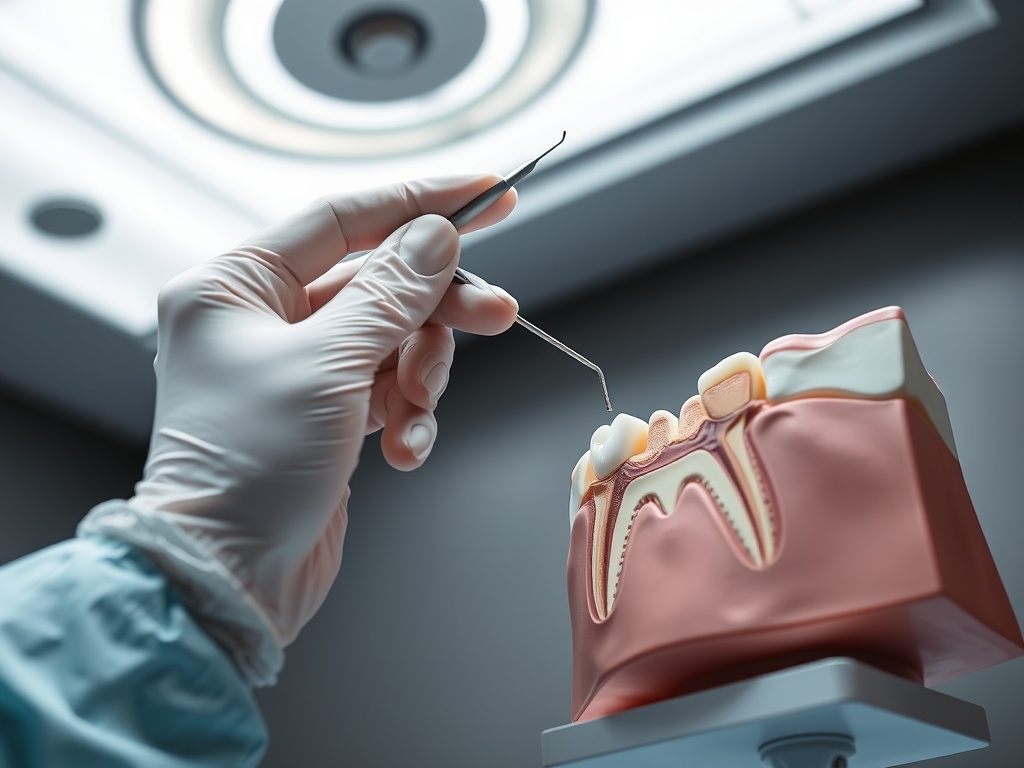
Most patients receive a local anesthetic to numb the area before treatment begins. The hygienist or periodontist uses hand instruments (curettes and scalers) and sometimes an ultrasonic device that vibrates to break up deposits and flush the pocket with water.
Depending on the severity and how much of your mouth is affected, you may come in for one extended appointment or return for a second session. Some practices divide the mouth into two halves — upper and lower — or four quadrants, treating one section per visit.
For a broader view of how treatment decisions are made when a tooth is in poor condition, see How Dentists Decide Whether a Tooth Can Still Be Saved.
Benefits, Limitations, and Risks
What the evidence suggests
Research published through the Cochrane Database of Systematic Reviews indicates that SRP can reduce pocket depth and improve clinical attachment compared to no treatment, particularly in moderate-to-severe periodontitis cases.
That said, SRP is a management tool, not a permanent cure. Periodontal disease tends to be chronic, which means ongoing maintenance appointments — typically every 3–4 months for a period — are often needed to prevent pockets from deepening again.
Possible side effects
- Temporary sensitivity to hot, cold, or sweet foods for a few days to a couple of weeks
- Mild soreness or swelling in the gums for 24–72 hours
- Slight bleeding during or just after the procedure
- Gum tissue may appear to recede slightly as swelling resolves — this is normal
After the Appointment: What to Expect
Most patients can return to normal activities the same day. A soft diet for the first 24–48 hours is often recommended. Your dental team will advise on any prescription rinse or antibiotic that may be placed directly in the pocket as part of treatment.
A re-evaluation appointment is usually scheduled 4–6 weeks later to measure pockets and assess tissue response. At that point, the dentist or periodontist will determine whether any pockets remain problematic or whether standard maintenance appointments are sufficient going forward.
Home Care for Deep Cleaning Explained
SRP is a planned procedure — but certain signs warrant a sooner-than-scheduled visit rather than waiting for a routine appointment:
- Significant swelling, pus, or a bad taste in the mouth after treatment (possible infection)
- Severe or worsening pain that does not respond to over-the-counter pain relief
- Bleeding that does not settle within a few hours after the appointment
There is also growing evidence that periodontal health may have implications beyond the mouth. For more on that connection, Heart Health and Gum Disease: What the Link Really Means for Patients offers a detailed look.
Questions About Deep Cleaning Explained
For Deep Cleaning Explained, this part of Questions About Deep Cleaning Explained focuses on the symptom history, previous treatment, current medicines, and the result the patient values most before the next appointment is booked, with the same details verified while risks and alternatives are compared. The clinician should also explain which examination finding supports each recommendation and what information could change it for Deep Cleaning Explained while the options are being narrowed, using the examination and health history rather than a general assumption.
Clinical Checks for Deep Cleaning Explained
When evaluating Deep Cleaning Explained: What Scaling and Root Planing Actually Does, the dentist should explain how medical history, previous treatment, bite forces, and tissue health affect the recommendation. Before accepting a plan for Deep Cleaning Explained: What Scaling and Root Planing Actually Does, request a plain-language explanation of what would make the diagnosis or treatment sequence change when a second opinion is considered. A sound decision about Deep Cleaning Explained: What Scaling and Root Planing Actually Does begins with the findings that can be seen, measured, photographed, or confirmed on dental imaging.
Comparing Options for Deep Cleaning Explained
Before choosing a path for Deep Cleaning Explained: What Scaling and Root Planing Actually Does, identify which trade-off matters least and which clinical risk matters most when home-care instructions are prepared. When comparing approaches to Deep Cleaning Explained: What Scaling and Root Planing Actually Does, use the same criteria for every option: expected benefit, limitations, durability, maintenance, timing, and total cost. For Deep Cleaning Explained: What Scaling and Root Planing Actually Does, ask how much healthy tooth or tissue each option preserves and what future repair may be required before the final recommendation is accepted.
Timing and Recovery for Deep Cleaning Explained
For Deep Cleaning Explained, this part of Timing and Recovery for Deep Cleaning Explained focuses on the order of diagnosis, preparation, treatment, healing, adjustment, and review while risks and alternatives are compared, with the same details verified while risks and alternatives are compared. The clinician should also explain how work, travel, eating, driving, exercise, or caregiving may be affected for Deep Cleaning Explained when the diagnosis is confirmed, using the examination and health history rather than a general assumption. Recording that explanation gives the patient a clearer next step for Deep Cleaning Explained while risks and alternatives are compared, especially when follow-up duties are reviewed while risks and alternatives are compared.
Your Next Step
If you have been told you need a deep cleaning or have noticed symptoms like bleeding gums, persistent bad breath, or loose teeth, schedule a periodontal evaluation. A dentist or periodontist can measure your pocket depths and recommend the right level of care for your current situation.
Mistakes to Avoid With Deep Cleaning Explained: What Scaling and Root Planing Actually Does
For Deep Cleaning Explained, review one clear action, a follow-up date, and reasons to contact the office sooner when home-care instructions are prepared, then confirm what can be decided now and what depends on further evidence while risks and alternatives are compared before this choice is recorded.
[BOX]
[BOX]