Domestic hot water recirculation problems usually come from poor balancing, undersized or oversized pumps, failed check valves, missing insulation, control errors, or piping changes that were never recommissioned. The practical fix is not to keep raising the water heater setpoint, but to verify the loop, pump, valves, temperature loss, controls, and occupant-use pattern as one connected system.
Fast read for facility teams
- Most complaints are symptoms, not root causes: long wait times, tepid water, noisy pipes, temperature swings, and high energy use all point to different failure modes.
- Start with safe temperature checks and a loop map before replacing equipment.
- Document corrective work so future repairs do not undo balancing or create dead legs.
Article ID: 245 | Target theme: hot water recirculation problems
Pinpoint the symptom before touching the pump
The first question is not whether the recirculation pump is working. It is what the occupants are experiencing and where the symptom appears. A complaint at one remote restroom may indicate a branch balancing issue. Complaints across an entire riser may point to pump capacity, a stuck check valve, a control schedule, or a heat source limitation. A complaint that appears only after a renovation may signal a piping alteration that bypassed the original balancing plan. Separating those patterns keeps troubleshooting focused and prevents unnecessary parts replacement.
Map the return path and temperature drop
A hot water return system is meant to keep hot water moving back to the heat source so water is available closer to fixtures. For deeper reference, see ASPE hot water return system guidance, then apply any guidance through the lens of your local code, contract, and project conditions.
Balance, controls, and insulation work together
Balancing valves limit how much flow each branch receives. If one branch is wide open, it can steal flow from a more distant branch. If valves are closed too tightly, remote fixtures wait too long. Controls matter as well. Timers, aquastats, and demand controls can save energy when applied correctly, but poor settings can shut the loop down during actual occupancy. Insulation affects the whole equation because uninsulated or damaged piping loses heat faster, causing longer pump run time and lower return temperatures. Related internal planning topics include How to create a warranty call-back process that protects margins and Solar-ready buildings: what should be planned during construction, which can help teams connect maintenance decisions with broader building performance.
Common repair sequence
A careful maintenance sequence usually includes verifying pump operation, checking check valves, cleaning strainers where present, confirming mixing valve behavior, measuring supply and return temperatures, and reviewing recent plumbing changes. The sequence should also include occupant interviews because the pattern of use matters. A gym, restaurant, multifamily corridor, medical suite, and office restroom do not behave the same way. If a system has been modified several times, a plumbing engineer may need to re-evaluate pipe sizing and controls rather than simply matching the old pump.
Mistakes that make complaints worse
The most common mistake is increasing the heater temperature without checking scald protection and system balance. Another is replacing a pump with a larger model without calculating head loss and flow needs. More flow is not always better. It can add noise, erosion risk, and energy use. A third mistake is ignoring dead legs after renovations. Unused or poorly connected piping can create water-quality and temperature-control concerns. Maintenance teams should also avoid closing balancing valves without recording original positions, because later technicians lose the baseline.
Troubleshooting matrix
| Issue or question | Likely focus | Useful next step |
|---|---|---|
| Long wait at one fixture | Branch imbalance, closed valve, added fixture distance | Measure branch temperature and valve position |
| Tepid water everywhere | Heat source, mixing valve, or control schedule | Check outlet, mixed, and return temperatures |
| Noisy return line | Excess flow, air, worn pump, unsupported pipe | Inspect pump curve, air removal, and supports |
| High energy use | Continuous pump run, poor insulation, poor controls | Review controls and pipe insulation |
Practical checks before acting
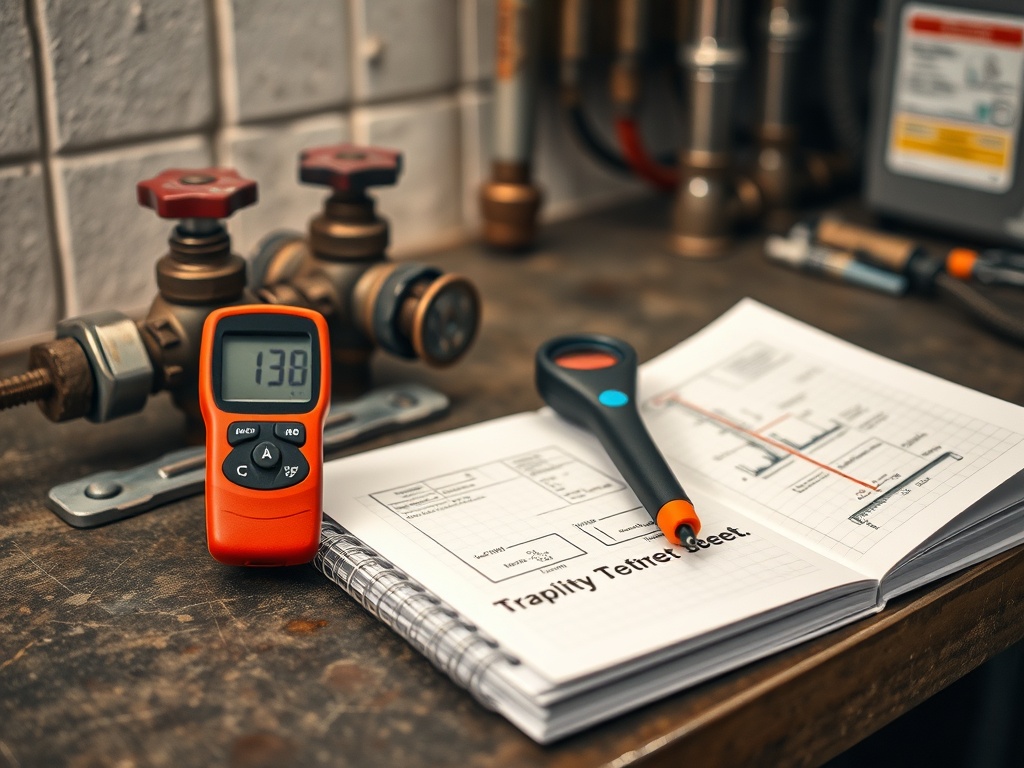
Use a loop sketch, temperature log, valve-position record, and recent-renovation review before approving repairs. Escalate to a licensed plumbing professional when temperatures, scald protection, code interpretation, or system redesign are involved.
Teams comparing adjacent risks may also find Cybersecurity basics for smart buildings and connected controls useful, especially when the issue affects maintenance planning, safety coordination, or future project decisions.
This article is for informational and educational purposes only. It is not professional engineering, legal, compliance, code, safety, or project management advice. Requirements can differ by jurisdiction, contract, building type, occupancy, and site condition, so qualified professionals should review project-specific decisions.
Maintenance wrap-up
For a stubborn hot water complaint, build the evidence first: map the loop, measure it, document it, and then repair the cause rather than the loudest symptom.