Expert Roundup: Which Dental Tech Improves Comfort — and Which Just Adds Hype?
A growing list of technologies has entered dental practices over the last decade, each promising a better patient experience. General dentists and specialists largely agree on which tools have delivered — and which have not yet earned their reputation.
Key Takeaways
- CBCT imaging, digital impressions, and laser soft-tissue procedures have strong clinical support and patient comfort benefits.
- AI-assisted caries detection shows real promise but is still maturing in accuracy studies.
- Some “premium” options add cost without clear patient benefit over established alternatives.
- Patient comfort improvements are most meaningful in sedation, precision anesthesia, and digital workflows.
Where Clinicians and Research Agree
Digital impressions
Traditional impression trays filled with putty material are one of the most commonly cited sources of patient discomfort and gag reflex activation. Intraoral scanners create a 3D digital model of the teeth in real time. Multiple studies, including work published in the journal of prosthetic dentistry, have found that patients consistently prefer digital impressions over conventional ones for comfort. Accuracy has improved to the point where digital impressions are clinically equivalent for most single-unit restorations.
Cone Beam CT (CBCT) imaging
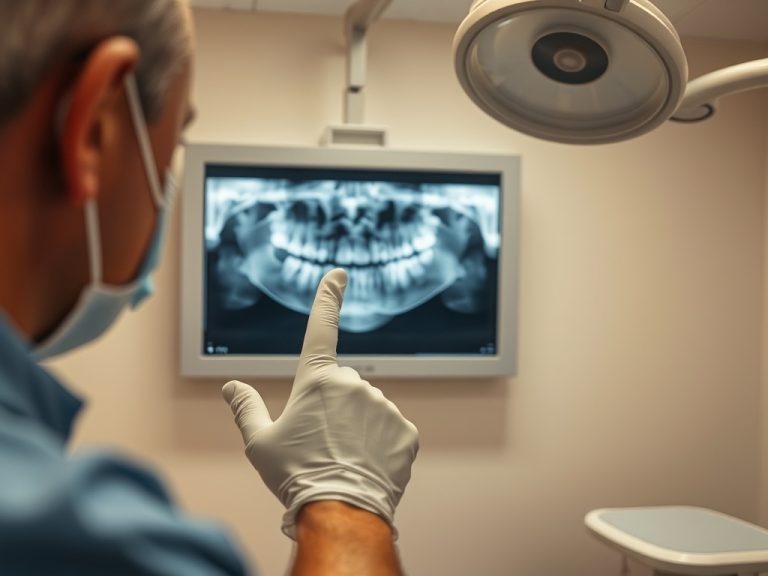
CBCT provides three-dimensional imaging of teeth, bone, and surrounding anatomy at a radiation dose significantly lower than medical CT scans. For complex extractions, implant planning, and endodontic assessment, CBCT allows dentists to visualize anatomy in ways flat X-rays cannot, which indirectly benefits patients by reducing surprises during procedures.
Laser soft-tissue treatment
Dental lasers have a clearer evidence base in soft-tissue applications — treating gum disease, performing biopsies, and managing tissue during crown procedures. Soft-tissue laser procedures often require less anesthesia and produce less postoperative bleeding and swelling.
Technologies With Promise — and Ongoing Questions
AI-assisted cavity and pathology detection
Software that analyzes dental X-rays and flags potential cavities using machine learning has entered clinical use. A 2023 systematic review in JADA (journal of the american dental association) found that while AI detection tools showed promise, they performed inconsistently across studies, and human-AI collaboration outperformed either alone in most analyses.
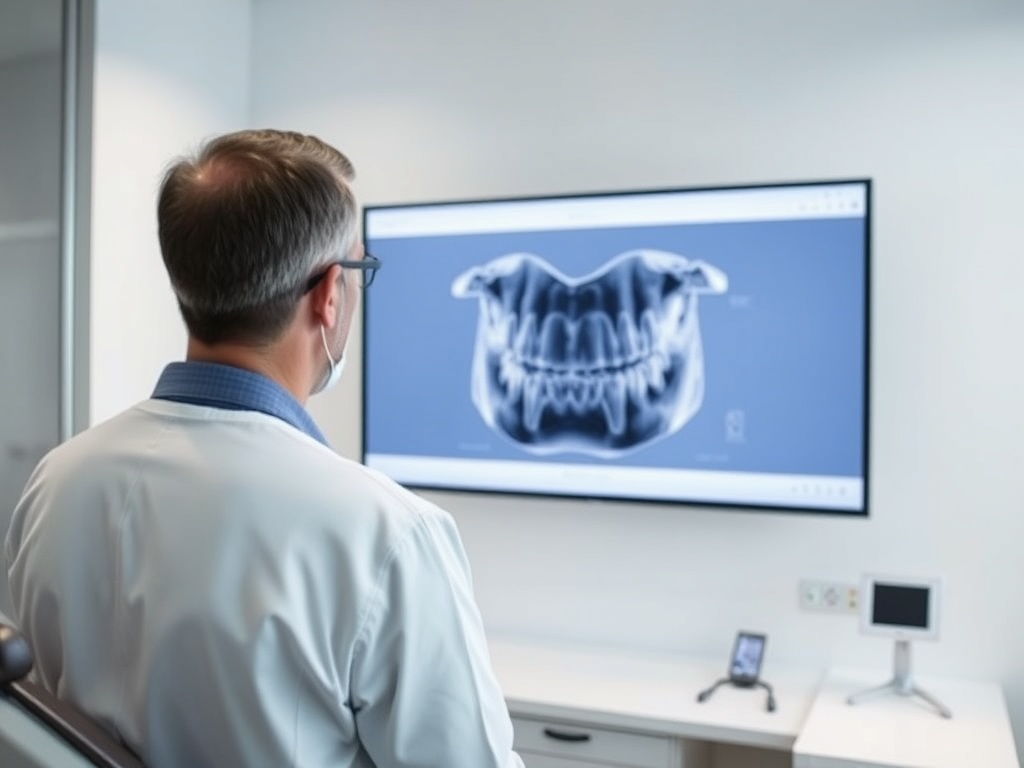
The practical upshot: AI detection may help catch things a quick review might miss, but it is best understood as a decision-support layer rather than a replacement for clinical judgment.
Computer-guided anesthesia delivery
Devices that control the rate and pressure of local anesthetic delivery aim to make injections more comfortable by administering the anesthetic at a slow, consistent rate. Clinical evidence shows these systems can reduce injection-related pain — with the most consistent benefit seen in palatal injections and other inherently uncomfortable injection sites.
Technologies Where Caution Is Warranted
Ozone therapy for early cavities
Ozone gas applied to early enamel lesions is marketed in some practices as a non-drilling remineralization approach. The evidence base is mixed — some studies show enamel remineralization effects comparable to fluoride for early lesions, others show more limited results. Most major dental associations have not issued formal endorsement.
High-end “wellness” add-ons
Some practices bundle services like advanced diagnostic saliva testing with standard care. Evidence for patient-level outcomes for most of these is limited. If a technology is being presented as a reason to substantially increase the cost of routine care, asking for peer-reviewed evidence supporting its use is a reasonable request.
A Practical View for Patients
The technologies that most consistently improve patient experience tend to share a few traits: they reduce physical discomfort at a known painful step (impressions, injections), they provide clinical information that directly changes the treatment plan, or they allow more work to be done in fewer visits.
For an example of how diagnostic clarity affects treatment decisions, how dentists decide whether a tooth can still be saved walks through how multiple clinical data points combine into a treatment recommendation.
Questions to Ask Your Dental Practice
- Is this technology standard of care, or an elective upgrade?
- What does the evidence say about its comfort or accuracy benefit?
- Does using it change the treatment recommendation — or just the experience?
- Is there an additional cost, and is it covered by insurance?
For patients who use those services regularly, understanding how to budget for technology-enabled care can help offset costs — how HSA and FSA Funds can lower your out-of-pocket dental costs covers the specifics.
Questions About Expert Roundup Which Dental Tech Improves Comfort Which
For Expert Roundup Which Dental Tech Improves Comfort Which, this part of Questions About Expert Roundup Which Dental Tech Improves Comfort Which focuses on the symptom history, previous treatment, current medicines, and the result the patient values most when the follow-up plan is written, with the same details verified while the expected outcome is clarified. The clinician should also explain which examination finding supports each recommendation and what information could change it for Expert Roundup Which Dental Tech Improves Comfort Which as the long-term result is reviewed, using the examination and health history rather than a general assumption.
Clinical Checks for Expert Roundup Which Dental Tech Improves Comfort Which
When evaluating Expert Roundup: Which Dental Tech Improves Comfort — and Which Just Adds Hype, the dentist should explain how medical history, previous treatment, bite forces, and tissue health affect the recommendation. Before accepting a plan for Expert Roundup: Which Dental Tech Improves Comfort — and Which Just Adds Hype, request a plain-language explanation of what would make the diagnosis or treatment sequence change when a second opinion is considered. A sound decision about Expert Roundup: Which Dental Tech Improves Comfort — and Which Just Adds Hype begins with the findings that can be seen, measured, photographed, or confirmed on dental imaging.
Comparing Options for Expert Roundup Which Dental Tech Improves Comfort Which
Before choosing a path for Expert Roundup: Which Dental Tech Improves Comfort — and Which Just Adds Hype, identify which trade-off matters least and which clinical risk matters most when home-care instructions are prepared. When comparing approaches to Expert Roundup: Which Dental Tech Improves Comfort — and Which Just Adds Hype, use the same criteria for every option: expected benefit, limitations, durability, maintenance, timing, and total cost. For Expert Roundup: Which Dental Tech Improves Comfort — and Which Just Adds Hype, ask how much healthy tooth or tissue each option preserves and what future repair may be required before the final recommendation is accepted.
Timing and Recovery for Expert Roundup Which Dental Tech Improves Comfort Which
For Expert Roundup Which Dental Tech Improves Comfort Which, this part of Timing and Recovery for Expert Roundup Which Dental Tech Improves focuses on the order of diagnosis, preparation, treatment, healing, adjustment, and review while cost and timing are compared, with the same details verified while the expected outcome is clarified. The clinician should also explain how work, travel, eating, driving, exercise, or caregiving may be affected for Expert Roundup Which Dental Tech Improves Comfort Which while comfort and function are assessed, using the examination and health history rather than a general assumption.
Where the Field Is Heading
Digital dentistry will continue to develop — fully guided implant surgery, AI-driven treatment planning, and continuous intraoral monitoring are all areas under active research. As with any emerging technology, the patients who benefit most are those asking the right questions before agreeing to pay for it.
Home Care and Follow-Up for Expert Roundup: Which Dental Tech Improves Comfort — and Which Just Adds Hype
For Expert Roundup Which Dental Tech Improves Comfort Which, review the clinical findings and the outcome the patient values most after the examination is explained, then confirm alternatives, limitations, timing, cost, and long-term upkeep while the expected outcome is clarified before this choice is recorded.
[BOX]
[BOX]