Luxury & Premium Stays
Ultra-premium hotel guests are increasingly evaluating luxury through privacy, personalization, time saved, access, space, human judgment and meaningful experiences rather than through visible opulence alone.
TL;DR: High spend does not eliminate value sensitivity; it can raise the expectation that every part of the stay is intentional, accurate and easy.
Luxury is shifting from display to control
Traditional luxury markers – large rooms, fine materials, formal service, destination restaurants and spa facilities – still matter in many properties. What is changing is how guests interpret them. A premium material does not create much value if the room is noisy, check-in is slow or the guest has to repeat preferences several times. Control over time and environment can feel more luxurious than another decorative feature.
This is why privacy, flexible scheduling, seamless transfers, quiet spaces and accurate pre-arrival communication are becoming stronger parts of the luxury proposition. The goal is not invisibility at all costs; some guests value warm social service. The more useful principle is choice: the hotel should be able to increase or decrease interaction based on the guest’s preference rather than forcing one service style.
High spend is being tied to meaningful value
The 2026 virtuoso luxe report, based on input from its travel-advisor network, describes affluent travelers as willing to spend while also paying attention to value, meaningful experiences, privacy and personalization. Because the report reflects Virtuoso’s client base and advisor observations, it should be read as a luxury-segment signal rather than a forecast for all travelers.
For hotels, this means ‘premium’ needs a clear reason. A larger suite may justify its rate through space and privacy; a higher room category may include a genuinely useful transfer, dining access or tailored itinerary support. Vague exclusivity is harder to defend when travelers can compare benefits and reviews in detail. Our discussion of changing room preferences shows how space, layout and environmental control can contribute to the value of a premium room.
Personalization is moving from recognition to orchestration
Remembering a guest’s name is basic recognition. Ultra-premium personalization is closer to orchestration: understanding arrival context, dietary requirements, sleep preferences, celebration plans, mobility needs and how much assistance the guest actually wants. The risk is becoming intrusive or collecting preferences without using them well.
The strongest personalization is consent-based and purposeful. A guest who has asked for a quiet arrival should not be pulled into a long welcome ritual. A family celebrating a milestone may value a coordinated dining plan more than a generic amenity. Properties should distinguish verified guest preferences from assumptions about wealth, nationality, age or family status.

Space, privacy and crowd avoidance are becoming premium assets
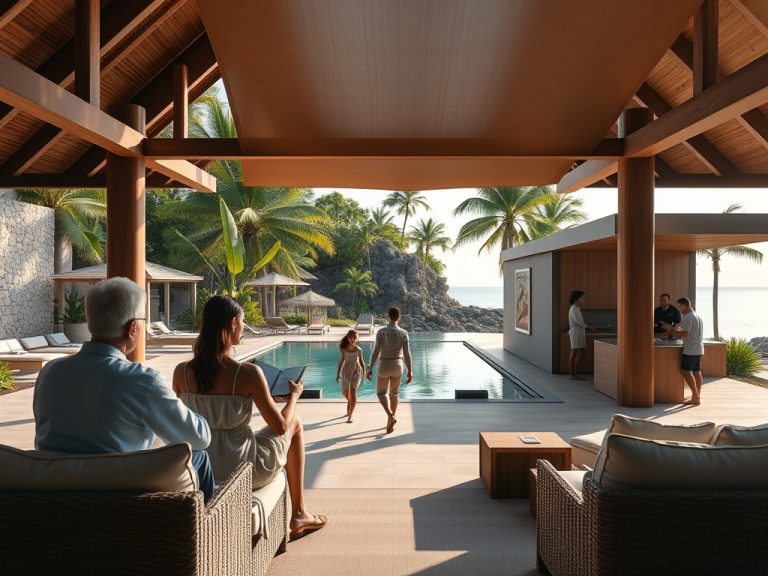
Virtuoso’s 2026 outlook also points to privacy and crowd management within the luxury segment. That can affect destination choice, seasonality and property design. Villas, private terraces, low-density common areas and off-peak access may attract guests who are paying not simply for more square footage but for fewer interruptions.
Climate and crowd considerations can also influence shoulder-season travel. Hotels should avoid turning this into unsupported claims about future weather or guaranteed seclusion. It is more credible to describe the property’s actual density, private-space options, seasonal operation and transport logistics. Travelers can then decide whether those features support their preferred level of privacy.
Human expertise still matters when technology gets smarter
AI and digital tools can help plan itineraries, translate requests, organize preferences and speed up routine service. In an ultra-premium setting, the question is whether technology improves judgment or merely automates contact. Complex requests, service recovery and emotionally important trips still benefit from experienced humans who can interpret context.
A premium hotel may therefore use more technology behind the scenes while keeping the guest-facing experience simple. Mobile messaging can be convenient; a dedicated host can solve unusual problems. Digital check-in can save time; a skilled arrival team can recognize when the guest wants help instead. Luxury becomes less about choosing between human and digital service and more about using each where it performs best.
Wellness and restoration are being integrated into the whole stay
Ultra-premium wellness is expanding beyond a menu of treatments. Guests may expect sleep support, quiet, movement, nutritious food, nature, thermal experiences, recovery services or private wellness spaces. Hilton’s 2026 trends report describes broader demand for calm and comfort, while the luxury segment adds a stronger expectation of personalization and privacy.
Hotels need careful language here. Wellness services can be described as experiences or amenities, but medical or therapeutic outcomes should not be implied without appropriate evidence and credentials. The related article on changing spa expectations looks more closely at how travelers are evaluating spa and wellness experiences.
Reviews still matter at the top of the market
Affluent travelers may use advisors and trusted brands, yet guest feedback still provides evidence about consistency. At high rates, minor friction can attract more attention because expectations are higher. Reviews may reveal whether personalized promises were delivered, rooms were quiet, transfers worked, service felt intuitive and private spaces were genuinely private.
Luxury properties should read review commentary as operational detail, not simply reputation management. A recurring complaint about slow response or confusing inclusions may signal that the product is too complex. Clear pre-arrival communication and strong service recovery can be more valuable than adding another visible amenity.
Ultra-premium signals to watch through 2028
Over the next 12 to 24 months, expect continued emphasis on privacy, personalized access, meaningful local experiences, wellness, climate-aware season selection and human expertise supported by AI. Some properties may respond with more villas, private dining, smaller-group programming or dedicated hosts. These are likely directions, not universal standards.
Travelers comparing ultra-premium stays should ask what the higher rate actually changes: space, time, access, service responsiveness, privacy or the quality of a specific experience. Hotels should answer that question with evidence rather than adjectives. At this end of the market, luxury is increasingly credible when it is felt in reduced friction and better judgment.
Service recovery is part of the premium promise
Ultra-premium service is tested most clearly when something goes wrong. Weather can interrupt transfers, a preferred suite can develop a maintenance issue, or a dining plan can change at short notice. The differentiator is not a claim that problems never occur; it is the speed, discretion and judgment used to resolve them. Guests may value one empowered contact who can coordinate alternatives instead of being passed between departments. Properties can support that expectation by giving frontline teams clear authority and accurate guest context, while travelers can look at recent reviews for patterns in how unusual problems were handled rather than focusing only on flawless stays.
Judge premium stays by what becomes easier
Before paying for a higher category, identify the moments you most want the property to handle – arrival, privacy, dining, family coordination, wellness or local access – and verify what service is actually included. That keeps a premium decision connected to outcomes rather than to prestige alone.