
Spare parts reliability planning reduces emergency shutdowns by identifying critical assets, ranking failure consequences, stocking the right parts, controlling storage conditions, and linking inventory decisions to maintenance history. The best parts plan is not the biggest storeroom; it is the one that supports uptime without trapping cash in unused inventory.
Reliability storeroom summary
- Classify parts by criticality, lead time, failure mode, and consequence.
- Keep parts clean, labeled, traceable, and suitable for storage conditions.
- Use maintenance history to adjust min-max levels and eliminate obsolete stock.
Article ID: 363 | Target theme: reliability spare parts planning
Criticality comes before quantity
Many storerooms are full but still unprepared. They contain old parts for retired assets, duplicates under different names, unverified substitutes, and expensive items with no clear owner. Reliability planning starts by identifying which assets can stop production, compromise safety, damage property, or create major service disruption. SMRP represents the maintenance and reliability profession and emphasizes structured physical asset management. That mindset is useful: inventory should support asset strategy, not sit apart from it.
Lead time changes the risk calculation
A low-cost part with a long lead time can be more critical than an expensive part available locally. For deeper reference, see SMRP maintenance and reliability organization, then apply any guidance through the lens of your local code, contract, and project conditions.
Storage quality affects part reliability
A spare part can fail before it is installed if storage conditions are poor. Bearings, belts, seals, electronics, filters, motors, gaskets, and lubricated components can be affected by humidity, dust, temperature, compression, vibration, corrosion, or expired shelf life. Storeroom practices should include labeling, rotation, preservation, periodic inspection, and controlled issue procedures. Parts that cannot be found quickly during a failure do not truly exist for emergency purposes. Related internal planning topics include foundation warning signs homeowners should not ignore and how to plan interior demolition safely before renovation begins, which can help teams connect maintenance decisions with broader building performance.
Connect inventory to work history
A CMMS or EAM system should show which parts are used on which assets, how often they fail, who approved substitutes, and what emergency purchases occurred. Reviewing that data helps maintenance and procurement update reorder points, remove obsolete stock, negotiate vendor support, and identify assets that need redesign or replacement. A rising parts usage trend may signal poor installation, operating conditions, or a recurring failure mode.
Common misses and practical safeguards
Common mistakes include treating the topic as a one-time task, skipping documentation, and assuming field crews or occupants will remember details that were never recorded. A better safeguard is to use checklists, photos, material data, responsible-person assignments, and a closeout review. None of these steps replace professional judgment, but they reduce preventable confusion and make future maintenance more predictable.
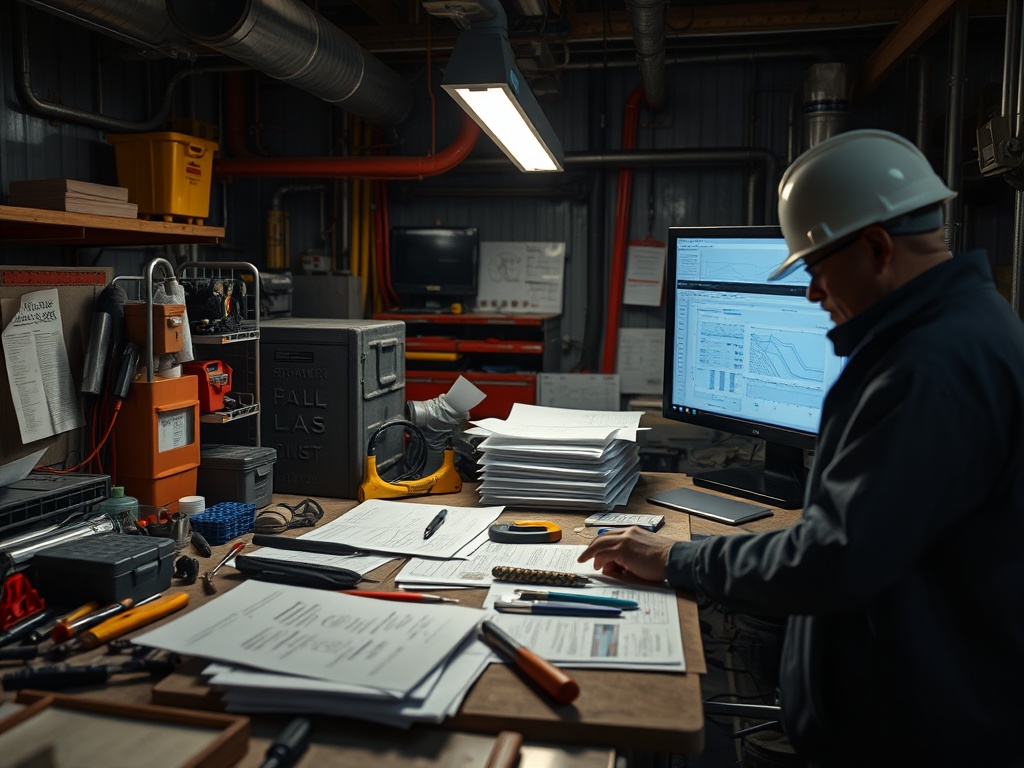
Spare-parts criticality table
| Issue or question | Likely focus | Useful next step |
|---|---|---|
| Field condition | Photos, measurements, and responsible party | Avoids decisions based on memory |
| Operational impact | Access, downtime, occupants, safety, and cost exposure | Helps prioritize work realistically |
| Closeout record | As-builts, warranties, settings, parts, and maintenance notes | Protects future teams from repeat investigation |
Practical checks before acting
Rank the top assets by shutdown consequence, identify the parts that would delay recovery, confirm suppliers and storage needs, and review usage every quarter. Keep the storeroom disciplined, not simply full.
Teams comparing adjacent risks may also find domestic hot water recirculation issues and how to solve them useful, especially when the issue affects maintenance planning, safety coordination, or future project decisions.
This article is for informational and educational purposes only. It is not professional engineering, legal, compliance, code, safety, or project management advice. Requirements can differ by jurisdiction, contract, building type, occupancy, and site condition, so qualified professionals should review project-specific decisions.
Reliability inventory close
Reliable parts planning gives maintenance teams options during a breakdown. It turns a shutdown from a scramble into a controlled response.