Improving garden-bed drainage starts with identifying where excess water comes from and where it can safely go. The best fix may be as simple as loosening compacted soil and adding organic matter, or it may require reshaping the grade, raising the bed, redirecting runoff, or installing a properly designed drain that discharges to an allowed location.
TL;DR: Observe the bed during and after rain, rule out broken irrigation, check soil compaction and grading, improve soil structure where appropriate, and raise or redirect water only after you understand the source. Never send runoff onto a neighbor’s property or toward a building foundation, and check local drainage rules before major work.
First determine what “poor drainage” means
A garden bed can be too wet for several different reasons:
- Dense clay or compacted soil slows infiltration.
- A low spot collects runoff from surrounding surfaces.
- Downspouts or roof valleys discharge near the bed.
- Irrigation runs too long or leaks underground.
- Hardscape sends water toward the planting area.
- A high water table keeps the root zone saturated.
- A buried layer of compacted subsoil or construction debris blocks downward movement.
These problems need different solutions. Adding compost to a low basin that receives roof runoff will not stop water from arriving. Installing a drain in a bed that is wet only because a sprinkler valve leaks wastes money and may create a new maintenance issue.
Watch the site during rain
The most useful drainage inspection happens when water is moving. During a safe rain event, watch where runoff enters the bed, whether water ponds on the surface, and how long wet areas persist afterward.
Photograph problem zones and note nearby downspouts, slopes, patios, retaining walls, driveways, irrigation heads, and utility structures. After the rain stops, dig a few small inspection holes to compare soil moisture in the wettest and driest areas.
If standing water is close to a foundation, retaining wall, electrical equipment, septic component, or other sensitive infrastructure, treat the issue as more than a gardening problem. A qualified drainage, landscape, structural, or civil professional may be appropriate.
Step 1: Rule out irrigation problems
Turn each irrigation zone on separately and look for broken heads, misdirected spray, clogged drip emitters, cracked tubing, or areas where water is being applied much faster than the soil can absorb it.
A bed that drains normally after rain but stays wet only after irrigation likely needs scheduling or system repair rather than excavation. Shorter or less frequent cycles may help, but irrigation should be adjusted to plant needs, soil type, season, and weather rather than a universal schedule.
Step 2: Check the grade
Water follows gravity. A bed that sits lower than surrounding pavement or lawn may collect runoff even if the soil itself is reasonably porous.
The goal is not to make every bed steep. It is to create a gentle, intentional path that keeps water from concentrating around vulnerable roots or structures. In some landscapes, regrading the bed edge or adding a shallow swale can move surface water toward a safe receiving area.
Before changing grade, identify buried utilities and confirm local rules. Do not create a route that pushes water onto neighboring property, public sidewalks, septic systems, or building foundations.
Step 3: Improve compacted soil carefully
Compacted soil has fewer large pores for air and water movement. Foot traffic, construction activity, repeated equipment use, and working soil when it is wet can all contribute.
The University of Minnesota Extension’s healthy garden soil guidance recommends reducing compaction and using organic matter such as compost to improve soil structure. The goal is to create a better root zone, not to turn clay into a different soil type overnight.
For an established bed, loosen only where you can avoid damaging major roots. In an empty vegetable bed, you can incorporate mature compost through the main root zone more thoroughly. Avoid walking on freshly improved soil; use paths or stepping areas to preserve pore space.
Step 4: Raise the root zone when the site allows it
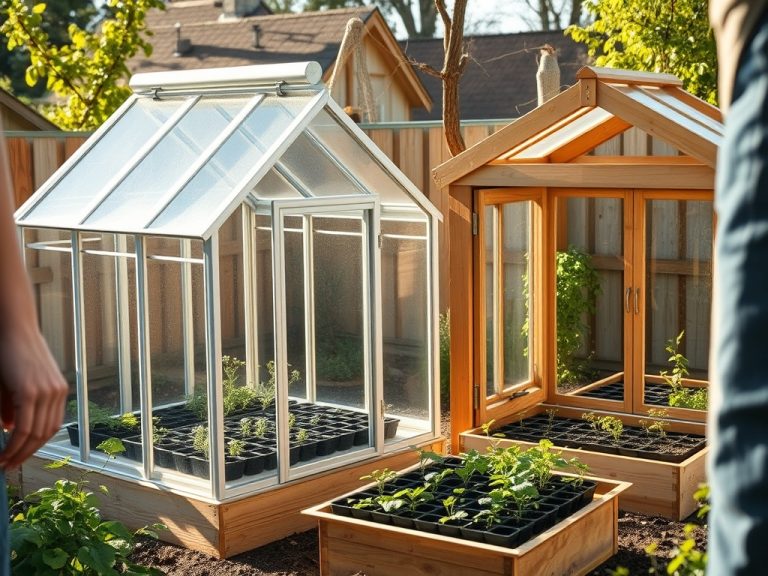
Raised beds can improve drainage because roots sit above the surrounding grade. University Extension guidance for many vegetable crops notes that raised beds can help provide the well-drained conditions those crops need.
A raised bed is most effective when excess water still has somewhere to go. A sealed planter with blocked outlets or a raised box placed inside a deeper waterlogged basin can remain saturated.
If you are building a new edible bed, use a balanced raised bed soil recipe rather than filling the structure with pure compost or dense topsoil.
Step 5: Redirect concentrated runoff
Downspouts can deliver a large amount of roof water to one small area. Extending the outlet to a lawful drainage location may solve a garden-bed problem more effectively than modifying the soil.
Likewise, a patio or walkway may shed water directly into a border. A narrow channel drain, surface swale, or reworked edge can sometimes intercept that flow. The correct solution depends on site grades, local stormwater rules, soil infiltration, and where the water can be discharged safely.
Never connect or discharge a drainage system into a sanitary sewer, public right-of-way, or neighboring property unless local rules explicitly permit it.
Step 6: Consider a subsurface drain only when needed
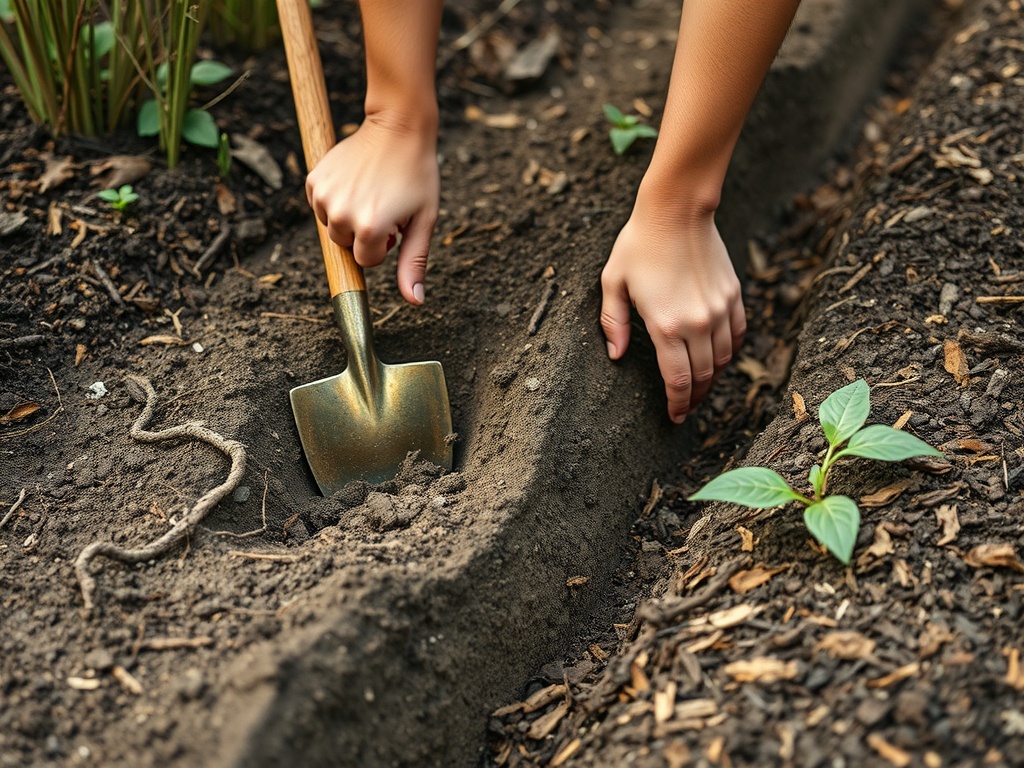
French drains and other subsurface systems can be useful when there is a clear source of excess water, a suitable outlet, and enough slope or system design to move water away. They are not magic trenches that make water disappear.
A typical drain uses a trench, drainage aggregate, and perforated pipe configured to collect subsurface water and carry it to an approved discharge point. Filter fabric, pipe orientation, cleanouts, and outlet protection matter. Poor installation can clog, hold water, or simply relocate the problem.
Because drainage work can affect foundations, retaining walls, slopes, utilities, and neighboring parcels, significant systems are good candidates for professional design.
Soil amendments: what helps and what can backfire
Mature compost
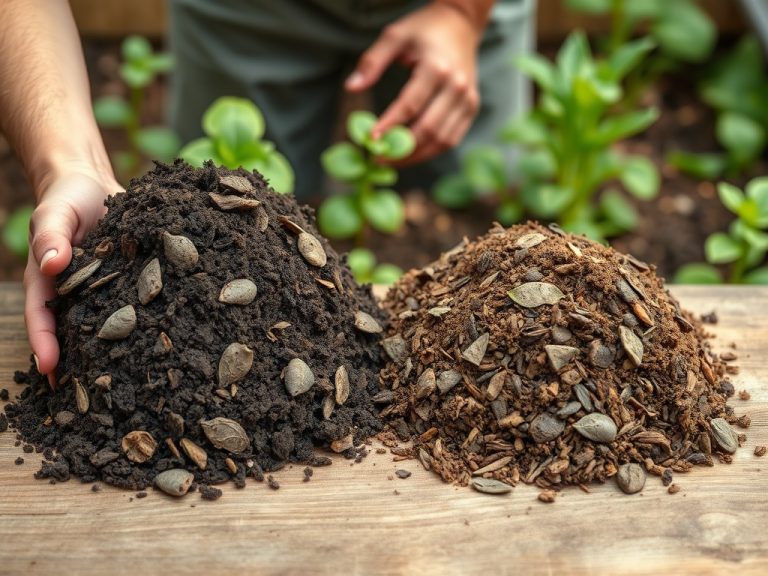
Compost can improve the structure of heavy soil and help sandy soil hold moisture. It works best as part of a long-term soil-management plan.
Sand
Adding a small amount of sand to heavy clay is often disappointing and can create a dense, concrete-like mixture if the proportions and particle sizes are wrong. Do not assume sand is a universal drainage fix.
Gravel under soil
A gravel layer at the bottom of a planting bed does not automatically improve drainage through the soil above it. Abrupt changes in pore size can alter water movement, and the real issue may be the outlet or surrounding grade.
Leaf mold and compost
Organic amendments are not interchangeable. The leaf mold vs compost comparison can help you decide whether your priority is moisture-holding structure, nutrient contribution, or both.
Fix the water path before chasing the symptoms
The most reliable way to improve garden bed drainage is to treat the cause in the correct order: stop leaks, manage incoming runoff, improve compacted soil, raise roots where useful, and install drainage infrastructure only when there is a safe outlet and a clear need.
That approach protects plants while reducing the risk of moving water into a worse location. If organic matter is part of the solution, use it based on soil condition rather than as a substitute for grading or drainage design.
This article is for general educational purposes and does not constitute professional horticultural, drainage, structural, electrical, civil-engineering, or legal advice. Drainage laws, utility requirements, soil conditions, and allowable discharge locations vary by jurisdiction. Contact qualified local professionals when work may affect buildings, slopes, utilities, septic systems, or neighboring property.[/