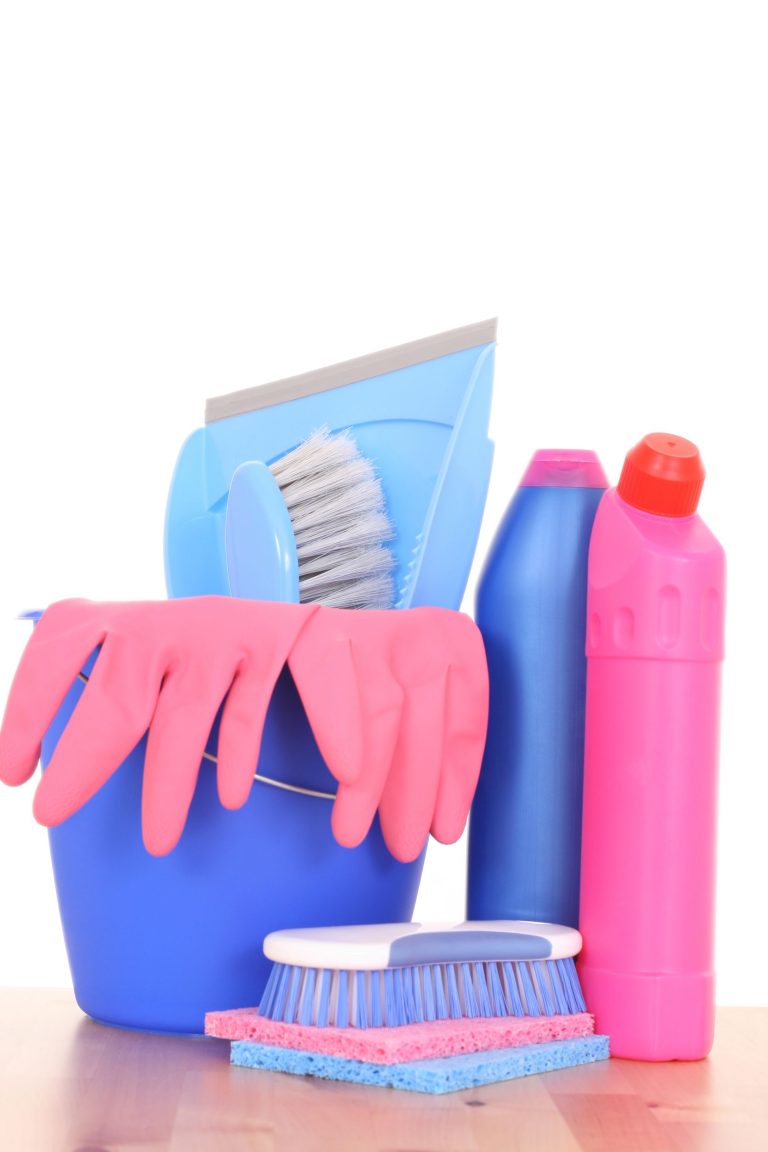
Outdoor cushions stay cleaner when dirt is removed before it becomes embedded, spills are treated promptly, fabric is allowed to dry fully, and cushions are protected from unnecessary moisture and debris between uses. The safest cleaning method always begins with the furniture or fabric manufacturer’s care instructions because outdoor textiles differ in fiber, dye, coating, foam, and construction.
TL;DR: Brush or vacuum loose debris regularly, blot spills instead of grinding them in, use the mildest cleaner permitted by the care label, rinse away residue, air-dry thoroughly, and store cushions dry. Avoid assuming that bleach, pressure washing, machine washing, or fabric protector is safe for every outdoor cushion.
Know what your cushions are made from
“Outdoor fabric” is a broad category. Cushion covers may be solution-dyed acrylic, polyester, olefin, or another synthetic textile. Some are removable and machine washable; others are permanently upholstered. Foam inserts also vary and may absorb water differently.
Before cleaning, look for the furniture label, sewn-in care tag, or manufacturer instructions. Check whether the cover can be removed, whether it can be machine washed, and whether chlorine bleach, solvent cleaners, or protectant products are allowed.
Manufacturer-specific guidance is especially important for stain treatments. For example, Sunbrella’s outdoor upholstery cleaning instructions recommend mild soap, thorough rinsing, and air drying for its own fabrics, while also directing users to consult furniture manufacturers before removing certain covers. Those directions should not be generalized to unrelated fabrics.
Create a two-minute routine after outdoor use
Most cushion care is easier before a deep cleaning is needed. A short routine can prevent pollen, crumbs, soil, and leaf fragments from turning into stubborn grime.
After a meal or gathering:
- Shake off crumbs and loose debris.
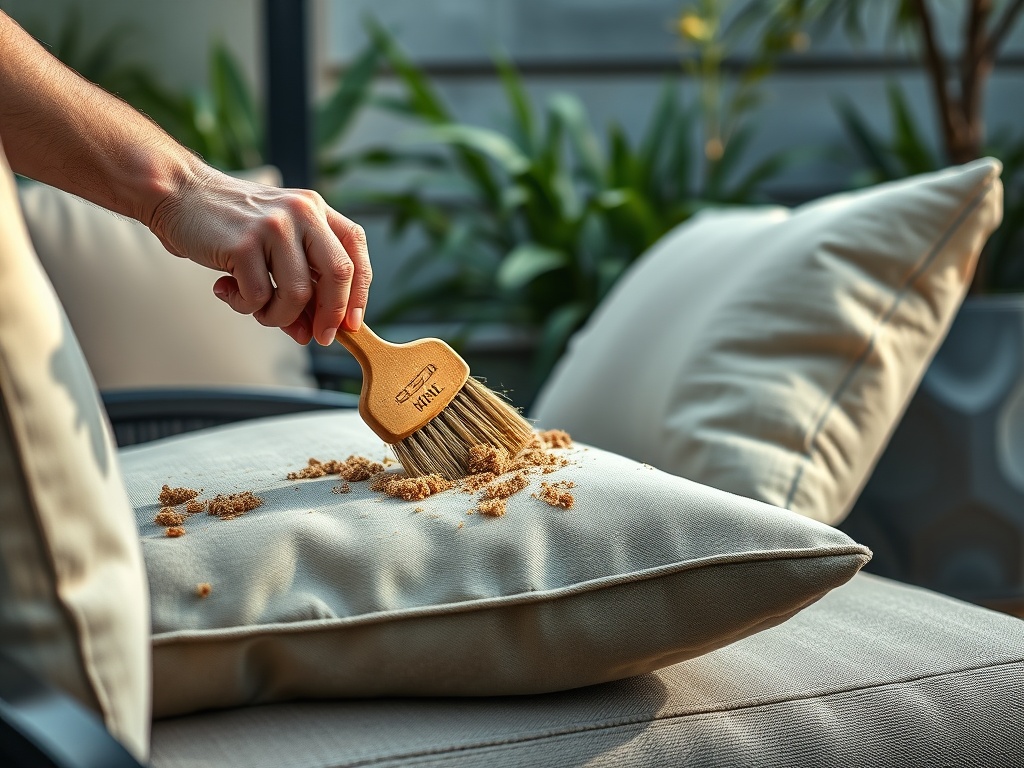
- Brush dry soil away with a soft brush.
- Blot new spills with a clean absorbent cloth.
- Stand damp cushions on edge where air can circulate.
- Remove leaves or flowers trapped between cushions and frames.
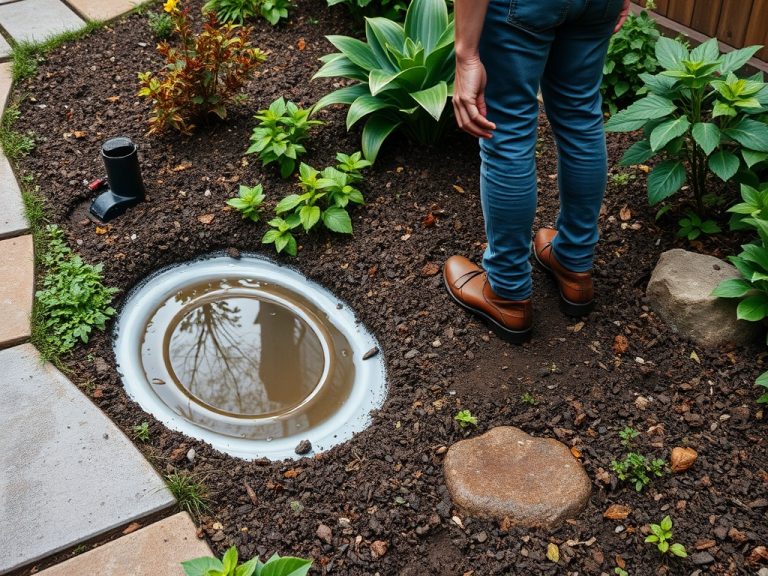
- Check that irrigation will not spray the seating overnight.
Brush or vacuum before adding water
Dry debris is often easier to remove dry. Pollen, dust, dried soil, pet hair, and crumbs can turn into muddy residue if they are soaked immediately.
Use a soft brush or upholstery vacuum attachment if the manufacturer permits it. Work along seams and piping where debris accumulates. Avoid aggressive scrubbing with stiff bristles, which can fuzz fibers or damage surface treatments.
If bird droppings or other biologically contaminated material is present, use gloves and follow appropriate hygiene practices. Do not dry-brush material that could become an airborne health hazard; dampen and clean according to suitable public-health guidance.
Treat spills quickly and gently
Blot liquid spills from the outside toward the center so you do not spread the stain. Remove solid material with a dull edge rather than pressing it deeper into the weave.
Use the mildest cleaning solution listed for the fabric. More detergent is not automatically better. Soap residue can attract dirt and may create visible rings if it is not rinsed away thoroughly.
Test unfamiliar cleaners on a hidden area first if the manufacturer recommends spot testing. Avoid mixing cleaning chemicals. Never combine chlorine bleach with ammonia, acids, or unknown cleaners because dangerous gases can form.
Deep-clean only as aggressively as the fabric allows
Removable covers
Some cushion covers can be machine washed, but the foam insert, zipper construction, and fabric finish matter. Follow the stated water temperature, cycle, detergent, and drying method. Air drying is common for outdoor performance fabrics because high dryer heat can damage some materials or cause shrinkage.
Non-removable covers
Clean on the furniture using a soft brush or sponge and the approved solution. Work in manageable sections, rinse thoroughly, and extract or blot excess water where appropriate.
Pressure washing
Do not pressure-wash cushions unless the manufacturer explicitly says it is safe. Concentrated water can damage fabric coatings, seams, zippers, foam, and adhesives while forcing water deep into the cushion where it dries slowly.
Drying is part of cleaning
A cushion that looks clean but stays damp internally can develop odor or support mildew growth on dirt and organic residue. After rinsing, place cushions where air moves freely around both sides.
Stand them on edge or prop them so water can drain. Open zippers if the manufacturer allows it. Avoid stacking damp cushions or returning them immediately to a sealed storage box.
Direct sun can speed drying for some materials, but prolonged intense sunlight can fade or weaken other textiles. Follow the fabric’s care guidance rather than assuming full sun is always best.
Prevent mildew instead of only removing it
Mildew problems are often moisture-management problems. Outdoor textiles may resist mildew, but dirt, food residue, pollen, and trapped organic matter can still support growth on the surface.
To reduce risk:
- Keep cushions free of leaves and food debris.
- Let them dry completely after rain.
- Avoid storing them in a damp shed or sealed box.
- Improve airflow around stored cushions.
- Repair drainage problems that leave the patio constantly wet.
- Keep sprinkler spray off seating when possible.
If heavy mildew appears, use only the treatment allowed by the fabric manufacturer. Some performance fabrics tolerate specific bleach solutions; many other textiles do not.
Storage choices matter
Daily or short-term storage
A ventilated deck box, covered bench, or sheltered porch can reduce exposure to pollen, bird droppings, and overnight moisture. The storage area itself must stay dry and should not trap condensation. For nearby season-extension structures, compare a greenhouse with a cold frame.
Seasonal storage
Clean cushions before long-term storage and make sure they are completely dry. Store them off a damp concrete floor and away from rodents or insects. Breathable storage bags may be preferable to tightly sealed plastic in humid conditions, depending on the environment.
Avoid placing heavy objects on top of cushions for months because foam can compress and fabric can crease.
Use covers strategically
Furniture covers can reduce dirt and UV exposure, but a completely non-breathable cover placed over damp cushions can trap moisture. Choose a cover intended for outdoor furniture and provide airflow as directed by the manufacturer.
During windy weather, secure covers so they do not flap against fabric or rub finishes. Remove pooled water from cover surfaces rather than allowing weight to sit on the cushions below.
If cushion colors are an important part of the patio design, the guide to building a cohesive color palette outdoors can help you choose tones that work with hardscape and planting while still matching your maintenance tolerance.
Be careful with fabric protectors
Some outdoor fabrics leave the factory with a water- or stain-resistant treatment that can wear after years of use or repeated deep cleaning. A compatible protectant may restore performance, but only if the fabric manufacturer recommends it.
Sunbrella, for example, provides a fabric protector product specifically for certain Sunbrella outdoor materials and instructs users to apply it to thoroughly clean, dry fabric. That is a manufacturer-specific example, not a universal instruction for all cushions.
Do not spray protectants near open flames, food, children, pets, or enclosed spaces unless the product directions allow it. Follow ventilation, drying, and curing instructions exactly.
Keep the routine lighter than the deep clean
The easiest way to clean outdoor cushions is to need deep cleaning less often. Remove dry debris early, treat spills while they are fresh, keep cushions out of unnecessary moisture, and give them enough airflow to dry fully.
Most importantly, use the care instructions written for the actual fabric and furniture construction. This home and garden information is for general educational purposes and does not constitute professional textile, chemical-safety, mold-remediation, or medical advice. Cleaning products and fabric constructions vary. Follow furniture, fabric, and cleaner labels, ensure adequate ventilation, and never mix incompatible cleaning chemicals.[/