Choose a greenhouse when you need walk-in growing space, higher capacity, and more control over season extension; choose a cold frame when you want a compact, lower-cost structure for hardening seedlings, protecting cool-season crops, or gaining a few extra weeks at the edges of the season. Neither option is automatically better because climate, crop type, available space, budget, and maintenance determine the better fit.
TL;DR: A cold frame is a small unheated box that captures solar warmth and protects plants close to the ground. A greenhouse is a larger enclosed structure that can support shelves, benches, taller crops, and optional heating or ventilation systems. Start with the smallest structure that solves the actual growing problem.
What a cold frame does
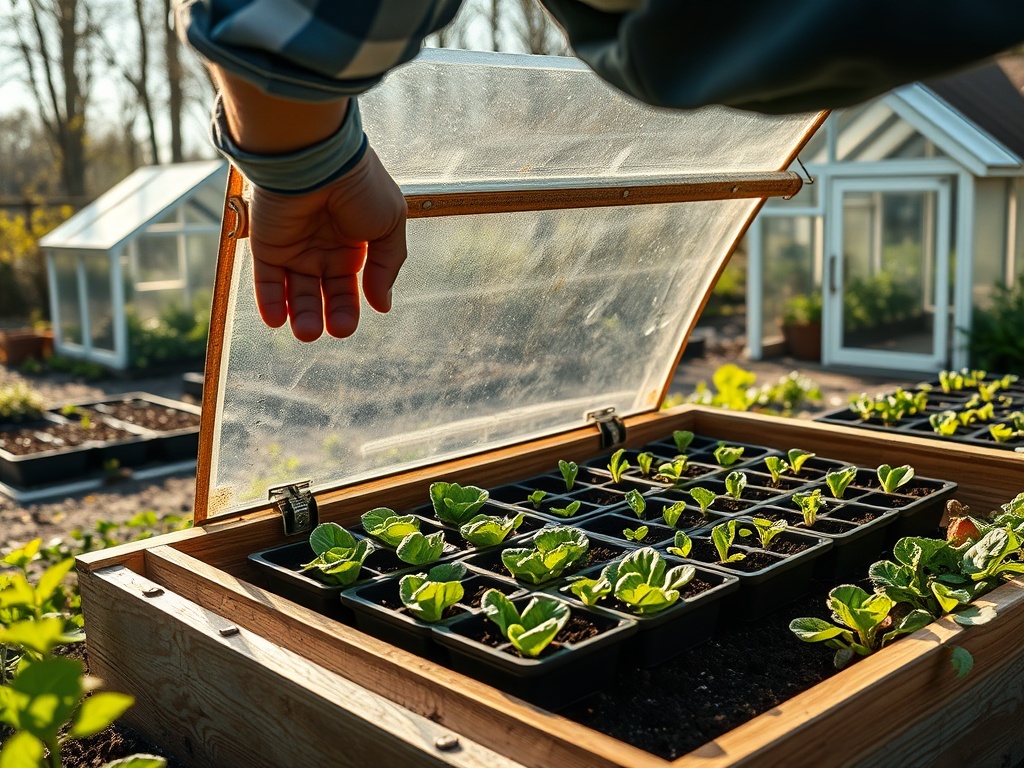
A cold frame is typically a low box with a transparent or translucent lid. Sunlight warms the interior during the day, and the enclosure reduces exposure to wind and cold compared with open garden conditions.
The University of Minnesota Extension’s season-extension guidance describes cold frames as shallow, unheated structures with transparent covers. They can protect cool-season vegetables and help harden seedlings before transplanting outdoors.
Cold frames are simple, but they are not maintenance-free. A bright spring day can raise temperatures quickly inside a closed box, so venting may be necessary even when the outdoor air still feels cool. Nighttime protection also depends on the frame’s construction, site, and weather.
What a greenhouse does
A greenhouse is a larger structure enclosed with glass, polycarbonate, polyethylene film, or another light-transmitting material. It creates a sheltered growing environment and usually provides enough interior height to stand, move, or grow taller plants.
A greenhouse can be unheated, passively warmed by sunlight, or equipped with heating, fans, vents, shade systems, irrigation, and supplemental lighting. More equipment increases control but also increases cost, maintenance, energy use, and the consequences of equipment failure.
Greenhouses vary from small hobby structures to engineered buildings. Their performance cannot be judged by the word “greenhouse” alone; glazing, air sealing, ventilation, orientation, thermal mass, climate, and heating capacity all matter.
Greenhouse vs cold frame at a glance
| Factor | Cold Frame | Greenhouse |
|---|---|---|
| Size | Compact and low to the ground | Usually walk-in and higher capacity |
| Typical heat source | Sunlight; sometimes optional bottom heat | Sunlight with optional active heating |
| Ventilation | Lid opened manually or with an automatic opener | Vents, doors, fans, or automated systems |
| Best for | Hardening seedlings, cool-season crops, short season extension | Seed starting, propagation, larger collections, taller crops, broader season extension |
| Cost | Generally lower | Generally higher and highly variable |
| Maintenance | Simple but frequent temperature checks may be needed | More components and larger surfaces to maintain |
| Space needed | Small footprint | Larger footprint plus access around structure |
| Permitting | Often simpler but local rules still apply | More likely to trigger structural, zoning, or utility requirements |
The comparison is general. A large custom cold frame can cost more than a basic kit greenhouse, and a passive greenhouse can be simpler than a heavily automated one.
Choose based on your crop and calendar
The best structure depends on what you want to grow and when.
A cold frame can be ideal for lettuce, kale, cabbage relatives, and other cool-season crops during spring or fall. It is also useful for gradually acclimating seedlings to outdoor light, wind, and temperature changes.
A greenhouse makes more sense when you want more bench space, need room for many seed trays, plan to grow taller plants, or want a controlled workspace protected from rain and wind. If you expect to produce warm-season crops through cold weather, however, heating and light requirements can become significant.
Penn State Extension’s guide to season extenders also emphasizes matching the structure to realistic crop and climate expectations rather than assuming a cover can remove seasonal limits entirely.
Think carefully about temperature control
A cold frame can overheat quickly because it has a small air volume. The lid may need to be opened on sunny days and closed before temperatures fall. Automatic vent openers can reduce manual work, but they still require inspection.
A greenhouse has more air volume but can also overheat severely in sun. Roof vents, side vents, doors, shade cloth, and fans may be needed depending on the design. Heated greenhouses need a safe, appropriately sized heat source and backup planning if temperatures fall below the crop’s tolerance.
Neither structure should be treated as a sealed box. Plants need suitable airflow, and excess humidity can favor some diseases.
Site selection matters more than the catalog photo
Choose a location with good solar access during the season when you will use the structure. Nearby buildings, fences, evergreen trees, and winter sun angles can create shade that is not obvious in summer.
Drainage is equally important. Do not place a greenhouse or cold frame in a low spot that collects runoff. If the surrounding soil stays saturated, correct the site or review how to improve drainage around garden beds before building.
Also plan for access. You may need to carry trays, soil, compost, water, tools, or heaters to the structure. A greenhouse at the far end of a muddy yard may be used less than a smaller cold frame placed near the kitchen garden.
Cost: compare the whole system
A cold frame can be built from simple materials or purchased as a kit. Costs rise with insulated glazing, automatic openers, durable framing, and custom dimensions, but the system remains relatively compact.
A greenhouse adds foundation or anchoring needs, glazing, doors, vents, benches, irrigation, shelving, shade equipment, and possibly electricity or heat. Those supporting systems can cost as much attention as the structure itself.
Rather than comparing only purchase prices, consider:
- Site preparation
- Anchoring or foundation work
- Glazing replacement
- Ventilation components
- Shade material
- Irrigation
- Electrical service or heating if used
- Snow and wind requirements
- Annual cleaning and repairs
When a cold frame is the better choice
A cold frame is often the stronger fit if:
- You mainly want to harden seedlings.
- You grow a modest number of cool-season crops.
- Space is limited.
- You do not need to stand inside the structure.
- You want a lower-complexity season extender.
- You are willing to monitor and vent it during sunny weather.
It is also a good way to learn how protected growing changes temperature and watering needs before investing in a larger structure.
When a greenhouse is the better choice
A greenhouse may be worth the extra cost and maintenance if:
- You need substantial seed-starting or propagation space.
- You want benches, shelves, and a protected work area.
- You grow taller plants or many containers.
- You want to use ventilation, shade, irrigation, or heating systems.
- You have a suitable sunny site with secure anchoring.
- Local codes and your budget support the structure.
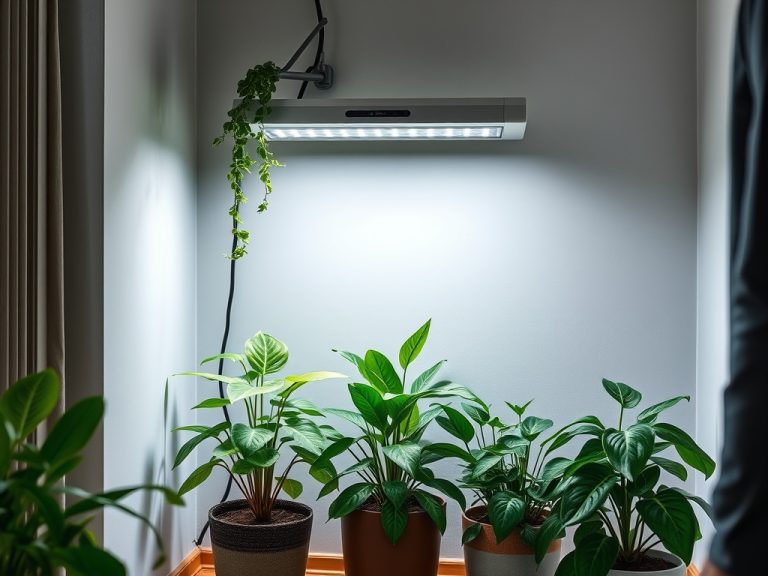
For gardeners who start large numbers of seedlings, greenhouse light can still be insufficient during dark periods. Supplemental fixtures may be useful, and the guide to grow lights for indoor plant success explains the same intensity, duration, and distance concepts that matter in protected spaces.
Choose capacity you will actually use
The greenhouse vs cold frame decision is ultimately about scale and control. A cold frame provides compact solar protection for modest season extension, while a greenhouse creates a larger managed environment that can support more plants and equipment.
The right choice is the smallest, safest structure that meets your growing goals without adding maintenance you will resent. Plan the site, ventilation, drainage, and local structural requirements before focusing on accessories.
This article is for general educational purposes and does not constitute professional horticultural, structural, electrical, mechanical, zoning, or legal advice. Building requirements, snow and wind loads, setbacks, glazing safety, and utility rules vary by location. Follow manufacturer instructions and consult qualified local professionals where required.[/