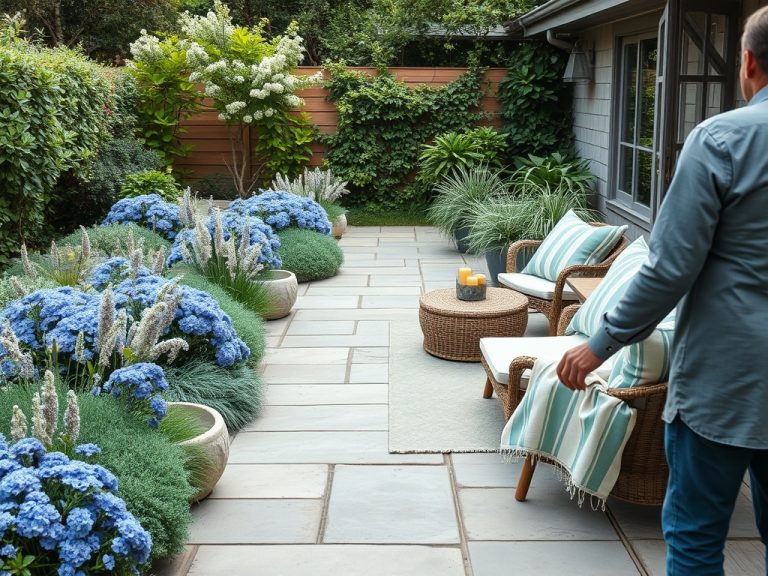
Solar-powered outdoor lights can be a practical choice for paths, garden accents, and areas where running electrical cable would be inconvenient, but their performance depends heavily on sunlight, battery condition, panel placement, fixture quality, and seasonal weather. They work best when you treat them as small solar-energy systems rather than decorative stakes that can be placed anywhere.
TL;DR: Put the solar panel where it receives strong unobstructed light, choose brightness for the actual task, use shielded fixtures that send light downward, expect shorter runtime during cloudy seasons, keep panels clean, and replace rechargeable batteries only with the type specified by the manufacturer.
How solar garden lights work
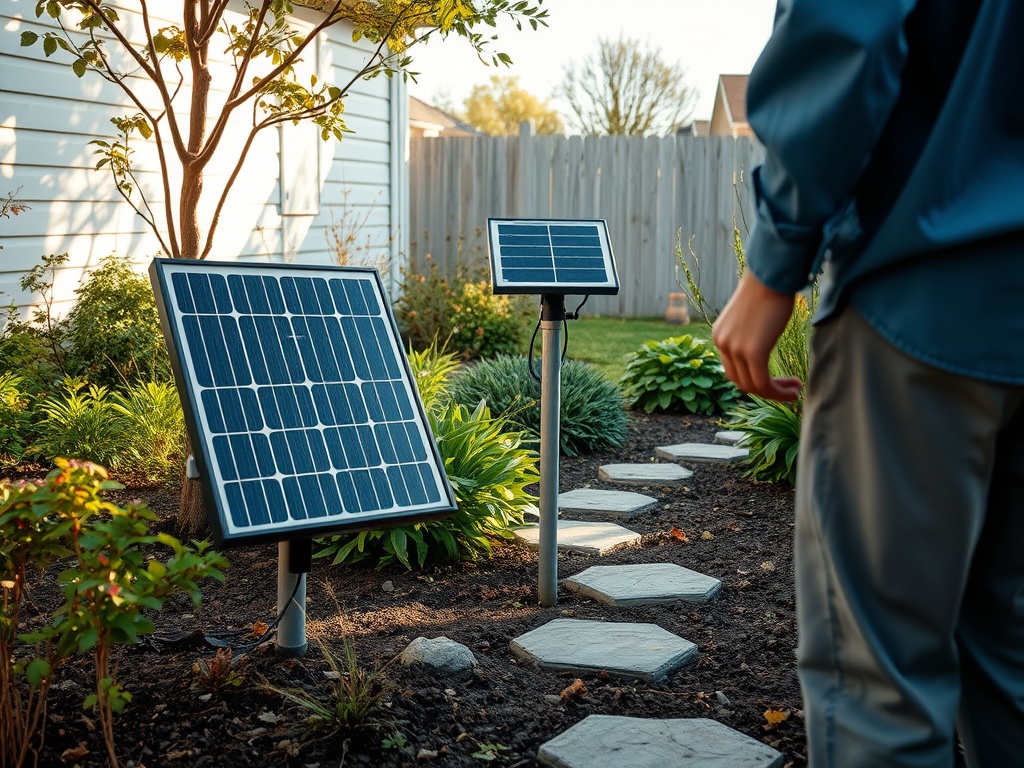
Most small solar outdoor lights combine a photovoltaic panel, rechargeable battery, charge controller or simple electronics, light sensor, and LED. During daylight, the panel converts sunlight into electricity and charges the battery. After dark, stored energy powers the LED.
The U.S. Department of Energy explains in its solar energy overview that available solar energy varies with location, time of day, season, landscape, and weather. That basic principle applies directly to garden lighting: a fixture under dense foliage or on the north side of a wall may charge poorly even if the package suggests long nighttime operation.
Because solar landscape lights are self-contained, installation can be simpler than line-voltage lighting. They can also be moved as plants grow or pathways change. The trade-off is that their energy supply and battery capacity are limited.
The main advantages
No trenching for electrical cable
For a small path or garden feature, solar lights can avoid digging cable routes and connecting fixtures to a transformer or household circuit. That makes them attractive for renters, temporary layouts, and remote corners of a yard.
Low operating electricity from the grid
The fixture charges from sunlight rather than drawing routine power from the home. That does not make the product impact-free, because panels, batteries, electronics, and housings still have manufacturing and disposal impacts, but it does reduce grid electricity use at the fixture.
Easy layout changes
Stake and surface-mounted lights can often be repositioned without rewiring. This is useful in gardens where planting beds, furniture, or seasonal displays change.
LED efficiency
Modern solar lights typically use LEDs because LEDs can produce useful light with relatively low electrical demand. DOE’s LED basics describes solid-state lighting as a highly energy-efficient lighting technology.
The main limitations
Sun exposure controls charging
A light can have an excellent LED and still perform poorly if the panel spends most of the day in shade. Tree growth, pergolas, fences, winter sun angles, and even accumulated dirt can reduce charging.
Runtime changes with weather and season
Cloudy periods and shorter winter days can reduce the energy stored in the battery. A light that runs late into the night in midsummer may shut off much earlier in winter.
Batteries wear out
Rechargeable batteries do not last forever. Capacity declines with age and temperature exposure. Some fixtures allow straightforward battery replacement; sealed low-cost units may effectively become disposable when the battery fails.
Low-cost fixtures may have weak optics
Brightness is not only about lumens. Poorly controlled light can create glare while leaving the walking surface dim. A well-designed lower-output fixture can be more useful than a bright exposed LED pointed toward eye level.
Decide what the light needs to do
Before shopping, classify the task:
- Path guidance: enough low-level light to reveal edges and changes in walking surface.
- Steps and entries: clearer illumination where footing matters.
- Accent lighting: highlighting plants, walls, textures, or garden art.
- Ambient patio lighting: soft background illumination for social areas.
- Security lighting: higher output and reliable operation, often better served by hardwired or professionally designed systems depending on the site.
Do not rely on tiny decorative solar lights as the only safety lighting for stairs, hazards, pools, gates, or critical access routes unless they are specifically designed and installed for that purpose.
Choose brightness and beam direction carefully
More light is not automatically better. Excessive brightness creates glare, wastes stored energy, and can contribute to light trespass. DOE summarizes responsible outdoor lighting principles that include eliminating unnecessary light, limiting uplight, reducing excessive output, and controlling light characteristics in its discussion of outdoor sky glow.
Look for fixtures with shielding or optics that direct light toward the path, step, or feature. Avoid exposed LEDs at eye level. In seating areas, side glare can be more uncomfortable than low brightness.
A cohesive lighting plan also affects how colors appear at night. If you are coordinating plant, hardscape, and textile colors, the guide to building a cohesive outdoor color palette can help you treat nighttime lighting as part of the overall composition.
Set up solar lights step by step
1. Test the location before installing permanently
Place the fixture where you want it for several clear days. Confirm that the solar panel receives strong direct light for a meaningful part of the day and that nearby plants will not shade it as they grow.
If the panel is separate from the light, you gain flexibility: the panel can sit in sun while the fixture illuminates a shaded path or bed.
2. Charge according to the manufacturer’s instructions
New rechargeable batteries may need an initial full charging period before you judge nighttime runtime. Follow the specific setup directions rather than expecting full performance immediately out of the box.
3. Aim light downward
Position the fixture so it illuminates the intended surface without shining into windows or a neighbor’s property. Downward direction also reduces wasted uplight.
4. Space by real coverage rather than visual symmetry
Equal spacing looks orderly, but plant shadows, changes in path width, stairs, and curves may require different placement. Walk the route after dark and adjust based on what you can actually see.
5. Keep lights out of maintenance paths
Avoid placing stake lights where lawn mowers, string trimmers, wheelbarrows, or garden hoses will repeatedly hit them. Along edible beds, keep fixtures positioned so they do not interfere with cultivating or topping up a raised bed soil mix.
Solar vs wired outdoor lighting
Solar lighting is strongest where installation flexibility and low grid use matter more than guaranteed output. Wired low-voltage or line-voltage systems are usually better when consistent brightness, integrated controls, long cable runs, or critical safety lighting are required.
DOE’s exterior lighting guidance emphasizes evaluating efficiency, performance, reliability, and controls rather than judging a fixture by one specification. Although that federal guidance addresses larger exterior luminaires, the same decision mindset is useful at home.
A practical buying checklist
Before buying, check:
- The panel size and whether it can be aimed independently.
- The intended use and useful light distribution.
- The manufacturer’s expected charging conditions.
- Battery type and whether it is replaceable.
- Weather-resistance rating and installation limitations.
- Light color and brightness settings.
- Motion or timer controls if available.
- Warranty and replacement-part availability.
- Whether the fixture directs light downward rather than into the sky or neighboring windows.
Design for the darkest season, not the best day
Solar-powered outdoor lighting is most satisfying when expectations match the site. Give the panel real sun, use the lowest useful brightness, aim light where it is needed, and plan for seasonal changes in charging. A system that performs acceptably during shorter, cloudier periods will feel especially capable when summer sunlight returns.
This article is for general educational purposes and does not constitute professional electrical, lighting-design, structural, or legal advice. Outdoor electrical requirements, light-trespass rules, battery disposal programs, and product ratings vary. Follow manufacturer instructions and local codes, and use qualified professionals for critical or hardwired installations.[/